01
Kinugawa Onsen
Inns line a deep gorge cut by the Kinugawa. Guests look down from the Kinu Tateiwa Otsuribashi suspension bridge, look up from river boats, and can ride Tobu Railway's SL Taiju steam train.
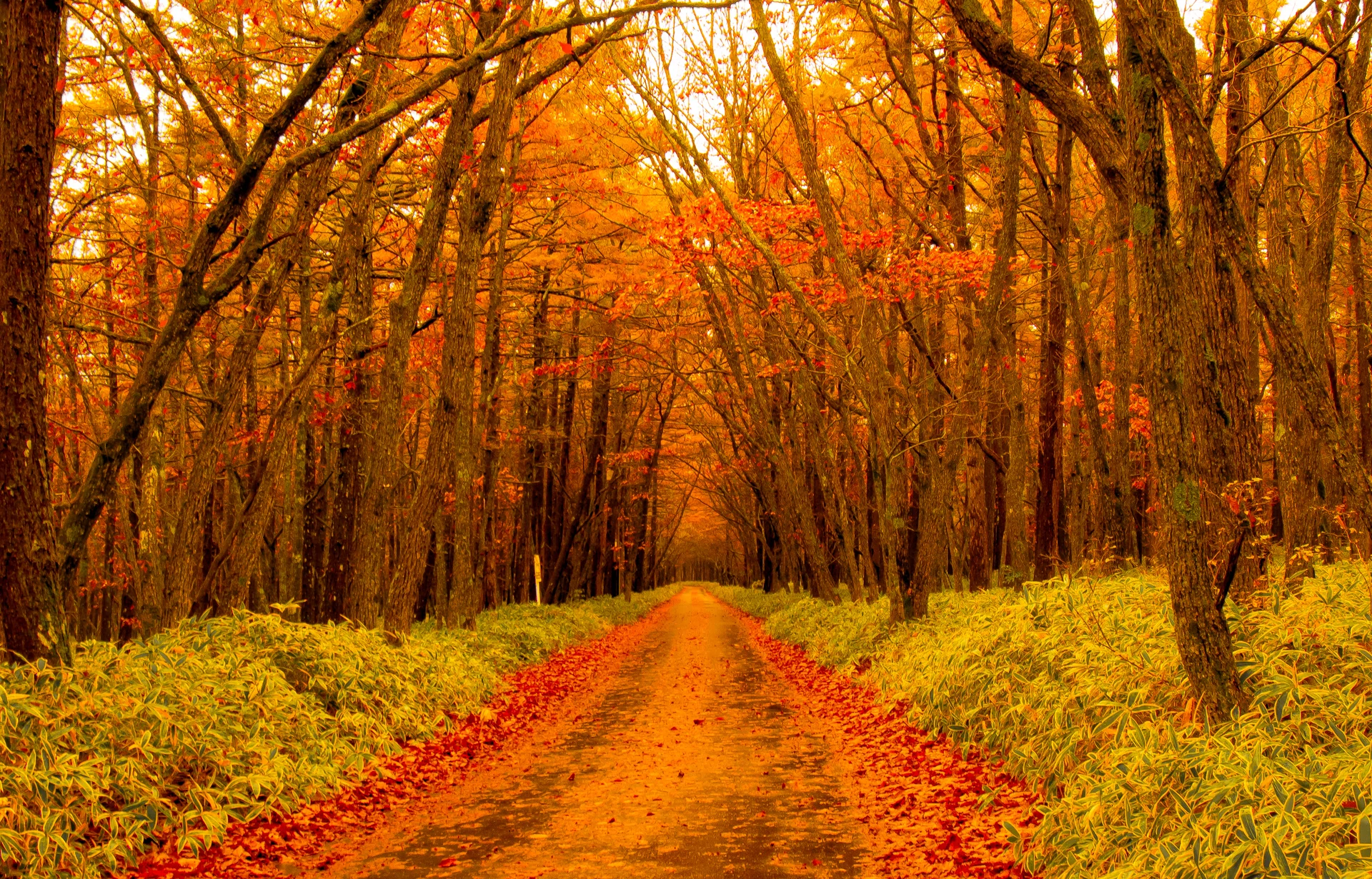
REGIONAL GUIDE — JAPAN
Northern Tochigi Prefecture
Rock walls seen from a boat on the Kinugawa, shrines among tall cedars, villa windows opening onto Lake Chuzenji. In Nasu the highlands taste of dairy; in Shiobara a literature museum leads to riverside walks. This guide introduces northern Tochigi for those considering an inn here.
OVERVIEW
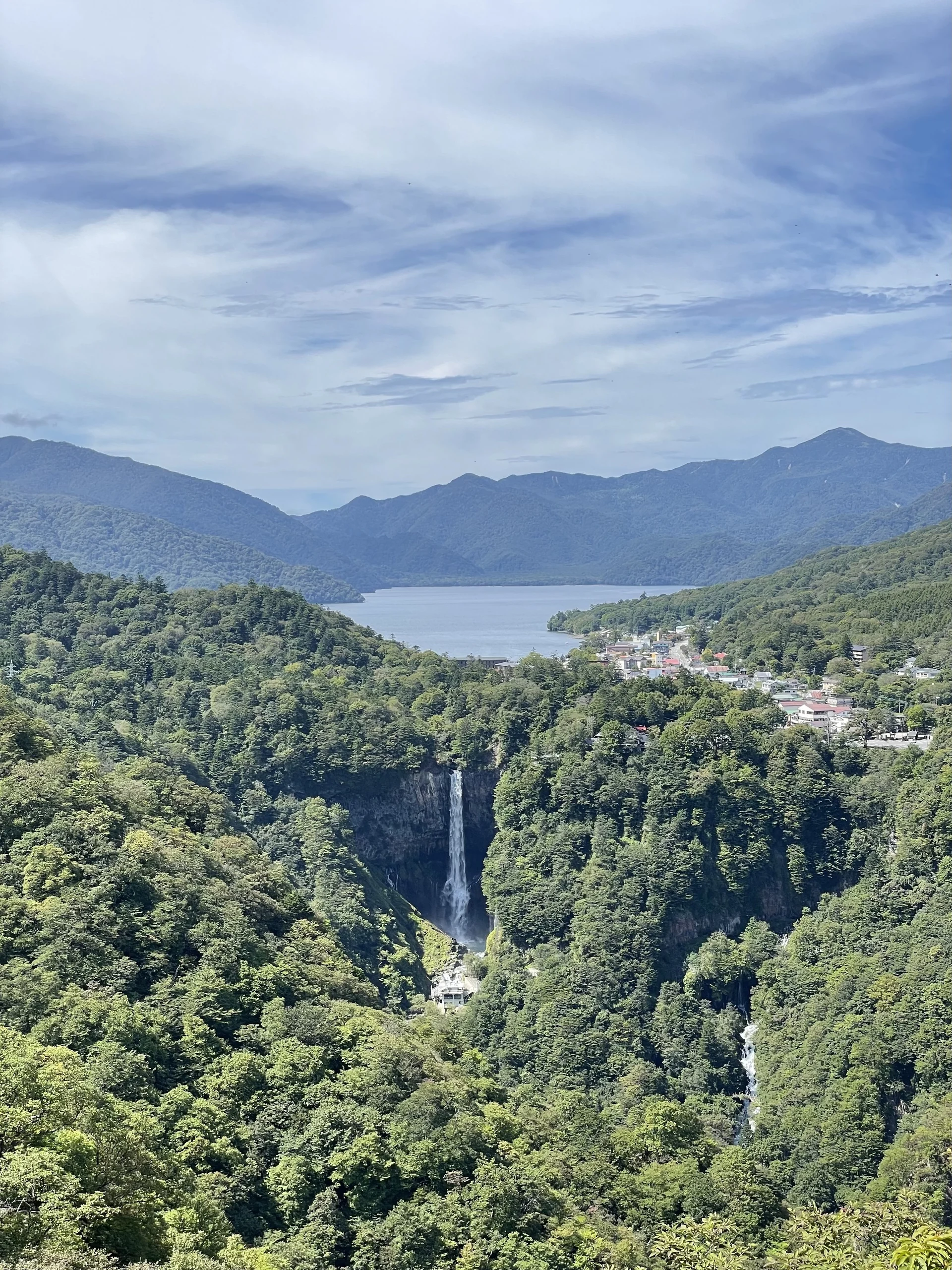
Kinugawa, Nikko, Nasu and Shiobara are hot-spring and resort areas in northern Tochigi Prefecture with very different characters: inns lining the Kinugawa gorge, the World Heritage shrines and temples of Nikko, the lakeside villa culture of Lake Chuzenji, the dairy highlands and volcanic legends of Nasu, and Shiobara's riverside onsen town with its literary history. Tochigi recorded 11,092,840 guest nights in 2025 (confirmed figures, prefecture-wide).
Photos show the region, not properties for sale.
THE AREA
Northern Tochigi's strength is variety within a single stretch of mountains. In Kinugawa you view the gorge from bridges and boats; in Nikko you visit sacred architecture in cedar groves; at Lake Chuzenji a culture of summer retreats survives in historic villas. Nasu pairs highland nature with dairy farming, and Shiobara combines riverside walks, literature and local food. Guests usually choose one base and let a single theme lead each day.
Rather than trying to see everything, guests here tend to choose a base and let one theme — river, shrines or lake — lead the day. Meals and breaks along the way become part of the experience.
Nikko's history of welcoming travellers is unusually deep. Kanaya Zenichiro opened the Kanaya Cottage Inn for foreign visitors in 1873, and in 1896 the British diplomat Ernest Satow built a villa on the southern shore of Lake Chuzenji. The shrines and temples of Nikko were inscribed as a World Heritage site in 1999.
For an inn, the question is not only the view from the rooms, but which landscapes and shops guests head out to, and what they eat before coming back to the bath.
The photographs on this page show the region's scenery. They do not show, and are not connected to, any property for sale.
PLACES TO KNOW
The guide covers six areas: Kinugawa Onsen, Ryuokyo and Kawaji, Nikko's shrine precinct and temple town, Lake Chuzenji and Oku-Nikko, Nasu Kogen and Nasu Yumoto, and the Shiobara hot-spring villages. Each one gives guests a different reason to stay — a gorge, a rocky river walk, centuries of prayer, lakeside retreat culture, dairy highlands, or a riverside onsen town with a literary past.
Inns line a deep gorge cut by the Kinugawa. Guests look down from the Kinu Tateiwa Otsuribashi suspension bridge, look up from river boats, and can ride Tobu Railway's SL Taiju steam train.
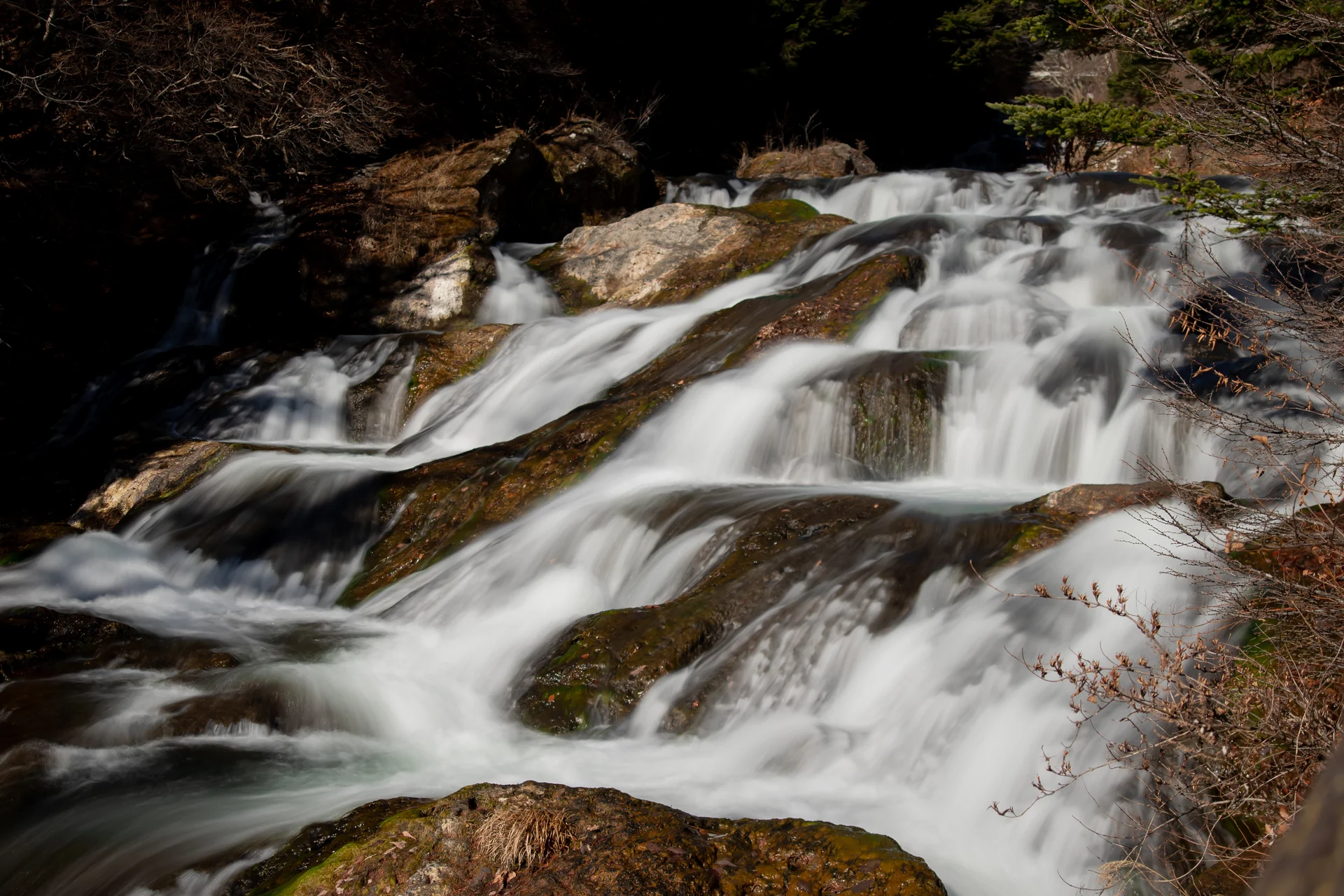
North of Kinugawa Onsen, rock carved by the river forms a walking gorge with Nijimi Falls and the Musasabi Bridge, starting from Ryuokyo Station.
Nikko Toshogu, which enshrines Tokugawa Ieyasu, Rinnoji's Sanbutsudo hall with three Buddhas linked to Mt. Nantai, Mt. Nyoho and Mt. Taro, Futarasan Shrine, and the Kanaya Hotel History House.
The British and Italian Embassy Villa Memorial Parks open onto the lake, and the Nikko Nature Museum explains the natural setting.
A ropeway up Mt. Chausu, azaleas at Yahata, the Sessho-seki rock with its nine-tailed fox legend, and Minamigaoka Farm, which produces and sells its own dairy products.
An onsen town along the Hoki River with the Shiobara Monogatari-kan literature museum, the Kurenai no Tsuribashi suspension bridge, Myoun-ji temple and local tote-yaki.
SEASONS & TRAVEL
Spring brings azaleas around Yahata in Nasu and fresh green in Nikko and Kinugawa; summer suits boats on the Kinugawa and the shores of Lake Chuzenji; autumn colours Ryuokyo and Shiobara; winter calls for longer hours at the inn, short walks and warm food. Mountain and lakeside facilities operate seasonally, so stays are best planned around what is actually open on the day.
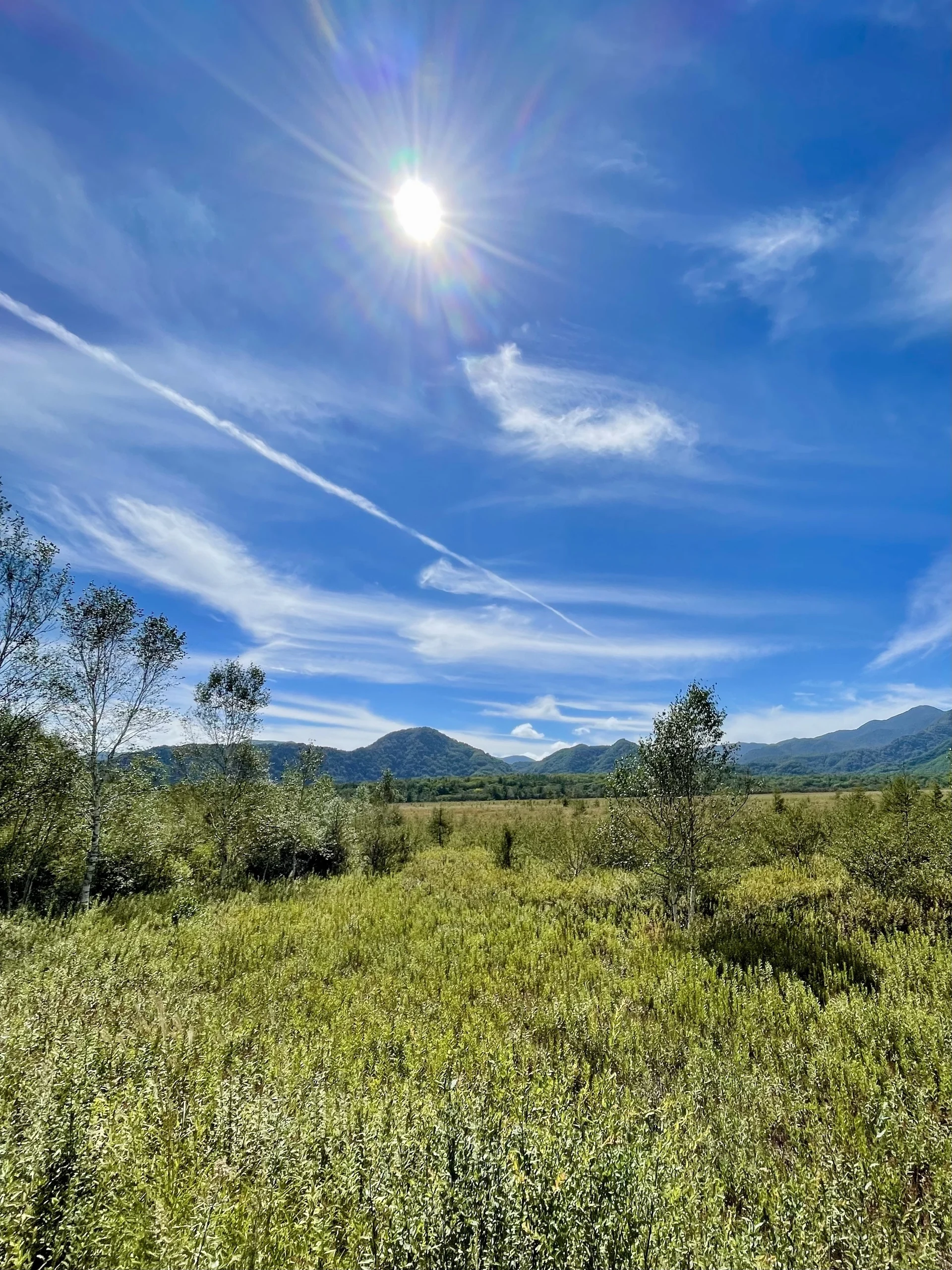
Flowers open at different times in the highlands and at the foot of the mountains, so the natural-information services of visitor centres help guests decide where to walk. In summer, one outdoor highlight per day with time to rest at the inn keeps a stay comfortable.
In autumn, the leaves move down from the mountains towards the onsen towns. In winter, Shiobara's soup yakisoba and Nikko's yuba dishes come into their own.
Ropeways, river boats and lakeside cultural facilities change their operating conditions with the weather and season. Inns that plan rainy-day options — exhibitions, local food — give guests choices whatever the conditions.
THE LODGING MARKET
According to the Japan Tourism Agency's confirmed 2025 statistics, Tochigi Prefecture recorded 11,092,840 guest nights, of which foreign guests made up 4.3%, and ryokan room occupancy was 44.9%. As of 31 March 2025 the prefecture had 1,398 licensed ryokan and hotel facilities. These figures cover the whole prefecture, not Kinugawa, Nikko, Nasu or Shiobara alone, and say nothing about any individual property's results.
| Guest nights (Tochigi Prefecture) | 11,092,840 January–December 2025, confirmed · source |
|---|---|
| Share of foreign guest nights | 4.3% January–December 2025, confirmed · source |
| Ryokan room occupancy | 44.9% January–December 2025, confirmed · source |
| Busiest month by guest nights | August: 1,291,380 2025 monthly comparison · source |
| Licensed ryokan & hotel facilities | 1,398 facilities (36,556 rooms) As of 31 March 2025 (end of FY2024) · source |
BUYING & RUNNING AN INN HERE
How guests arrive and go out differs between Kinugawa's station-side gorge town, Nikko's shrine precinct and lakeside, and Nasu's scattered highland sights, so map the route from the nearest station to the front door and to places guests visit. Then confirm seasonal operations, food sourcing, licences, hot-spring rights, fire and building compliance, staffing and financing with the authorities and licensed professionals.
Check the level change from station to entrance, how guests get to dinner outside and back, and seasonal train and bus schedules. In Nasu, sights are spread out and some distance from Nasushiobara Station and Kuroiso, so plan separately for guests with and without cars.
In valley locations, check how rooms face the road, how guests reach the entrance from parking, the walking route in rain, and snow-clearing routes in winter.
Confirm how the spring water reaches the property and whether hot-spring extraction and use permits under the Hot Springs Act (Onsen-ho) can pass to a new owner. Check with the prefecture's offices.
A lodging business needs a licence under the Inns and Hotels Act (Ryokan-gyo-ho), and buildings must meet fire and building codes. Ask the local health centre and fire department how succession or a new licence would work.
Yuba, dairy products and Shiobara's vegetables connect meals to local producers. Check where each item comes from, when supply is stable, how chilled goods are stored, and label local origin accurately.
Check how linen, cleaning and staff will be secured, and estimate acquisition, renovation and working capital with a repayment plan, together with your bank and advisers.
FAQ
This guide describes the Kinugawa, Nikko, Nasu and Shiobara area of northern Tochigi Prefecture for people considering a ryokan or hotel there. Its photographs show regional scenery, not properties for sale, and its market data are prefecture-wide official figures rather than results for any town or inn. Licensing, hot-spring rights and tax depend on the property, so confirm them with the authorities and a licensed professional.
Kinugawa Onsen, Ryuokyo and Kawaji, Nikko's shrine precinct and temple town, Lake Chuzenji and Oku-Nikko, Nasu Kogen and Nasu Yumoto, and the Shiobara hot-spring villages. It does not indicate where any listing is located.
No. The photographs show regional scenery and have no business relationship with any property for sale.
No. They are the Japan Tourism Agency's confirmed 2025 figures for the whole of Tochigi Prefecture. A single town or property must be checked separately, including its own monthly results.
Typically the lodging licence under the Inns and Hotels Act, hot-spring permits under the Hot Springs Act, and fire and building compliance. Requirements vary by property, so check with the prefecture, health centre, fire department and a licensed professional.
Yes. Owners can start from their current operations, facility issues and wishes for the next operator, using a private draft or a consultation with TSUNAGU staff.
Reviewed by Masayuki Tsutsumi, Representative Director, Japan Realtor Co., Ltd. · Updated 2026-10-29 · Masayuki Tsutsumi
NEXT STEP
Membership is currently limited. Register your interest or speak with our advisory team; a first enquiry needs only an email address.