FOR OVERSEAS INVESTORS — JAPAN
Japan's ryokan and hotels, ready for their next owners
TSUNAGU is a marketplace where owners of ryokan and hotels across Japan look for the people who will carry their inns forward. This hub explains what overseas buyers can own, what they must check, and how a conversation with an owner begins.
Foreign individuals and companies can, in general, buy land and buildings in Japan outright; there is no nationality-based restriction on ownership. What matters for an inn is everything around the deed: who holds the inn licence, how hot-spring rights and permits move, whether the building and its fire safety match the way it is used, and which reports follow the purchase. TSUNAGU, run by Japan Realtor Co., Ltd., lets owners publish anonymous summaries and reveal names only to buyers they approve after a confidentiality step.
WHY JAPAN, WHY NOW
Ownership is open. The real work is in the licences.
Japan generally places no nationality-based restriction on acquiring land and buildings, so overseas buyers can hold full ownership of a ryokan or hotel. Two caveats apply. A non-resident who acquires Japanese real estate generally files a post-acquisition report under the Foreign Exchange and Foreign Trade Act (FEFTA) within 20 days, via the Bank of Japan. Land in special monitored areas under the Act on the Review of Important Land, near defence facilities or on border islands, needs prior notification for transactions of 200 m² or more. Confirm the current rules with the authorities.
Owning a building and running an inn are two different things in Japan. The register tells you who owns the land and the building; the licence under the Inns and Hotels Act tells you who may operate. Hot-spring use, fire safety and building law each have their own permits and their own offices. A buyer who keeps these strands apart from the first conversation avoids most of the surprises that come later.
The rules have also moved. Since 13 December 2023, a licensed inn business can pass to a new operator through a business transfer, provided the transferor and the transferee are approved before the transfer takes effect. Reporting duties for non-resident buyers under FEFTA were widened from April 2026, so older advice, such as the idea that a property for your own use never needs a report, should not be relied on.
- Nationality, current address, tax residency and foreign-exchange residency are assessed separately. Choosing a language or a country on this site does not decide your status.
- Buying land and buildings, an inn business, or the shares of an operating company each leads to different tax and licence steps.
HOW TSUNAGU WORKS
Private by design: summaries first, names after approval
On TSUNAGU, owners publish an anonymous summary of their inn. The property name and location are disclosed only to parties the owner approves, after a confidentiality (NDA) step. Buyers register their criteria, browse the summaries they may view, ask questions and arrange viewings, then move towards a contract with Japan Realtor's contract support. Listing, searching and negotiating between the parties are free; the fee agreed with each party arises when a deal closes. Membership is currently limited, so overseas buyers begin by registering interest or speaking with our team.
Tell us what you are looking for
Region, property type, budget and how you would run it. No passport, tax number or bank details are needed at this stage.
Read the summaries and ask
Ask questions within what the owner has chosen to show, and discuss disclosure or a viewing, on site or online.
Agree what is being bought
Confirm the acquiring entity, the assets, the future operator, funding and the documents needed.
Prepare the contract
Agree the scope and cost of your contract support. If the seller is a non-resident, withholding is checked too.
Contract and settlement
Signatures, payment and registration are coordinated; remote or proxy steps are confirmed case by case.
After the purchase
The FEFTA report, contacts in Japan, operations and tax are tracked on your My Page.
WHERE TO LOOK
Twelve regions, each with its own rhythm
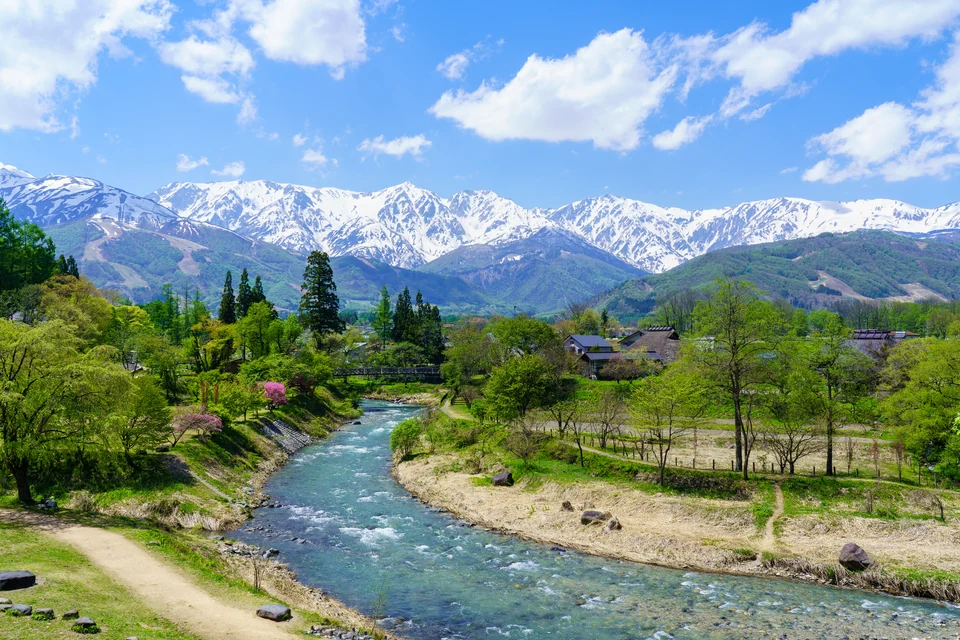
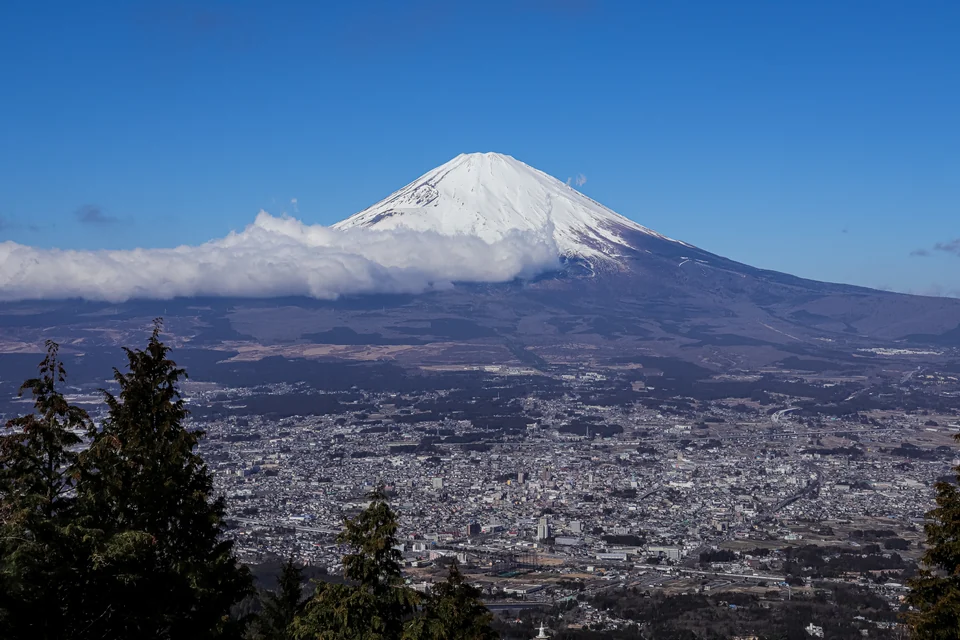
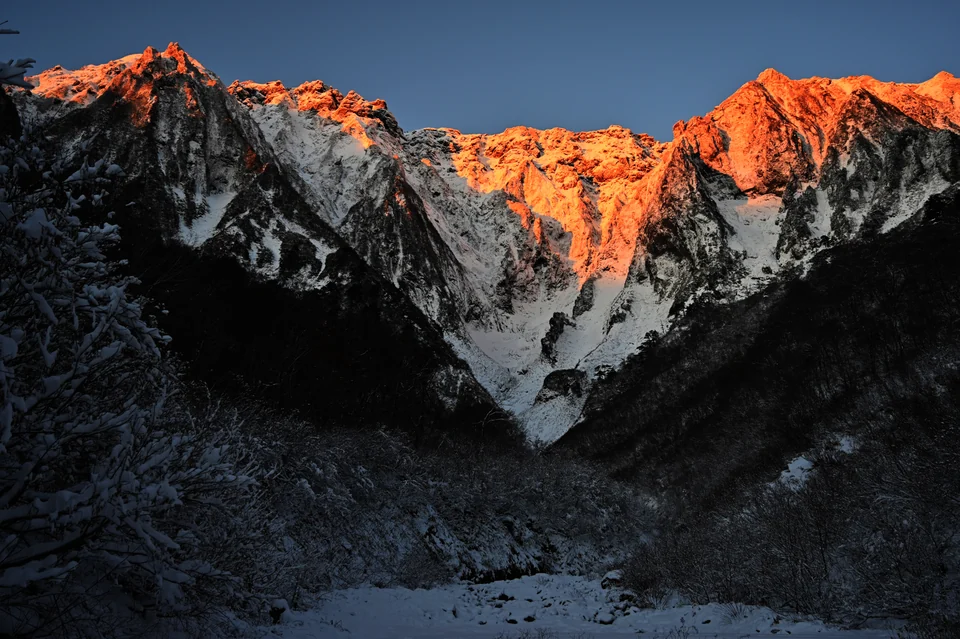
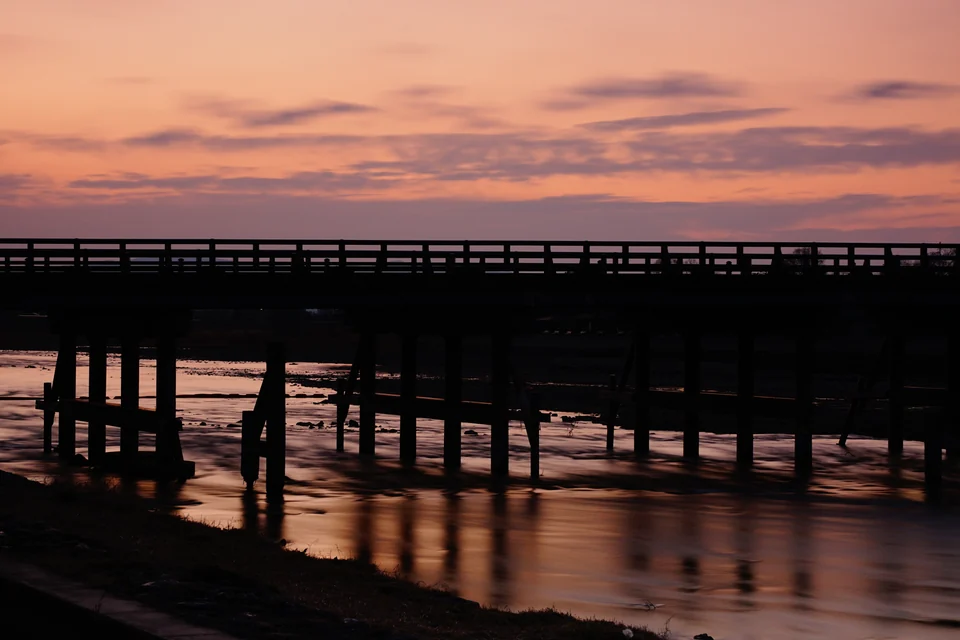
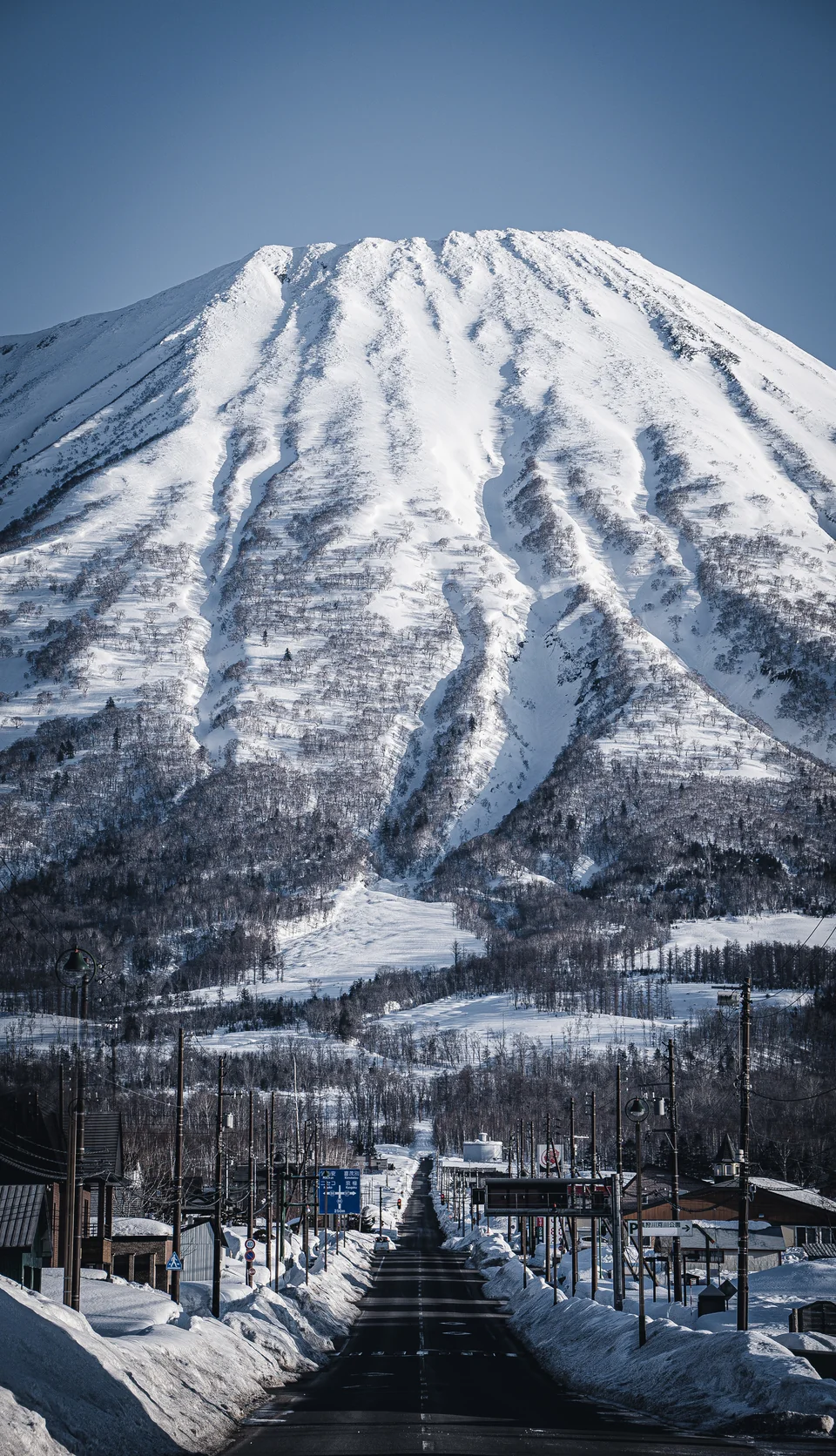
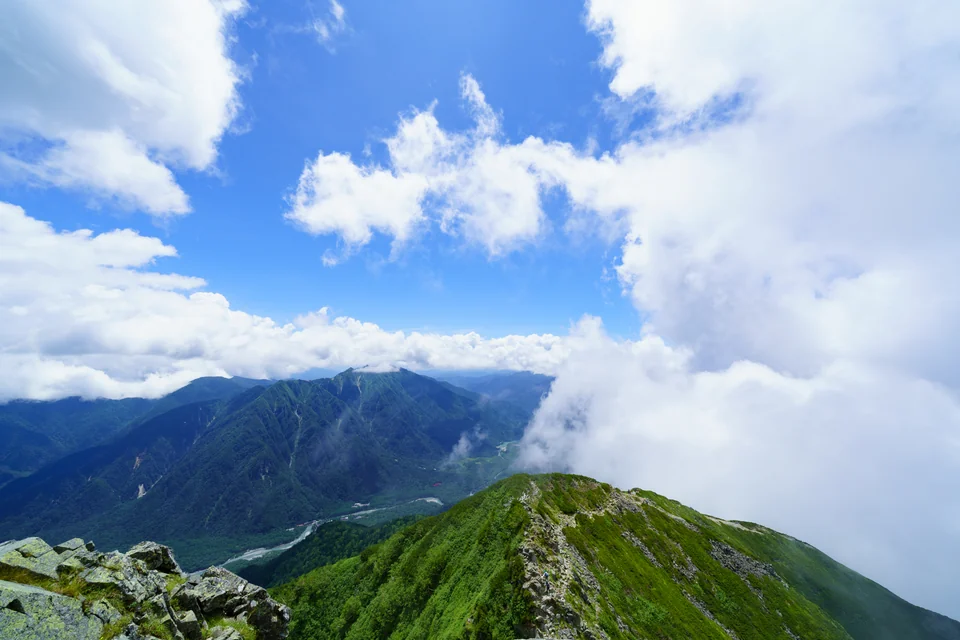
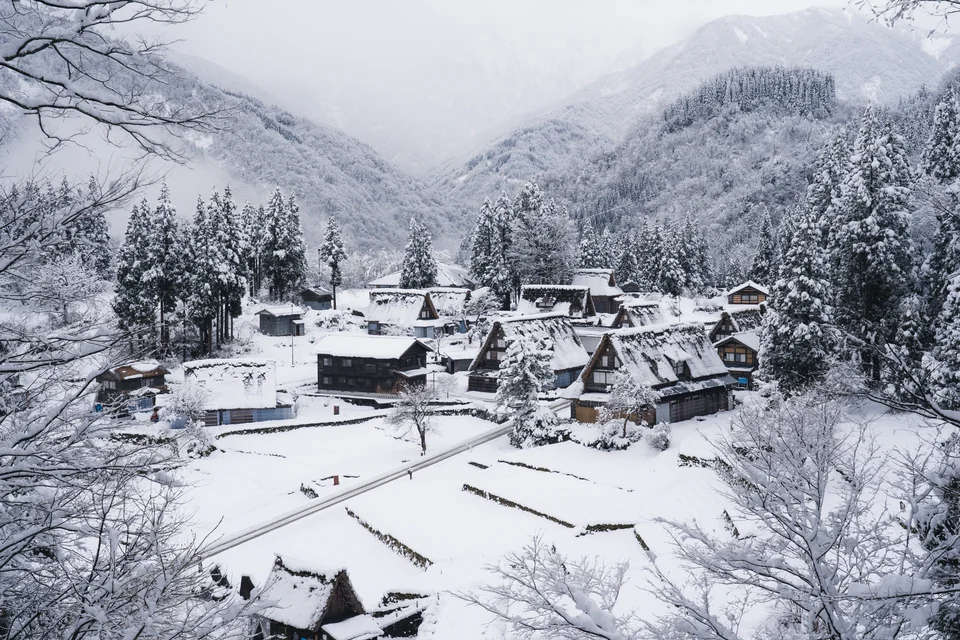
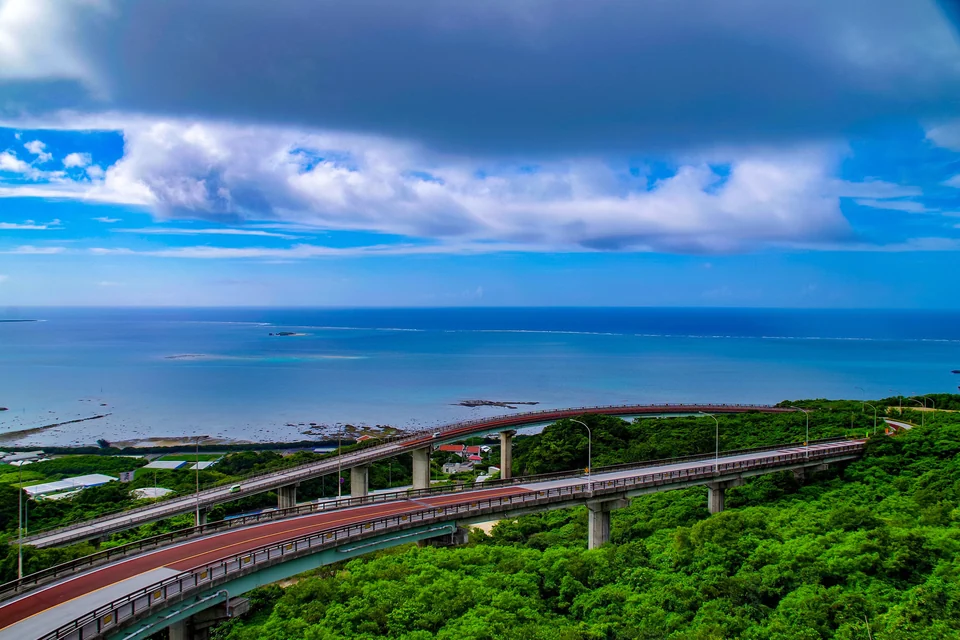
Inn markets in Japan are local: a hot-spring town in the mountains and a resort by the sea differ in their seasons, guests, permits and staffing. The twelve regional guides below introduce each area through its places, its seasons and travel, official lodging figures with their sources, and what to check before buying or running an inn there. They are drawn from TSUNAGU's Japanese feature pages and public statistics, and they do not describe specific properties for sale.



WHO WE ARE
A licensed brokerage, and a person who stands behind the deal
TSUNAGU is operated by Japan Realtor Co., Ltd., a real estate brokerage licensed by the Governor of Tokyo ((2) No. 104145). Its Representative Director, Masayuki Tsutsumi, has 21 years in real estate and business turnaround, has served as representative of three ryokan operating companies, and has held investor seminars in Shenzhen, Beijing, Hong Kong, Shanghai and Yiwu. He reviews the guides on this site. Registration, tax and licence filings are done with licensed professionals in each field.
There was a period when the company handled about 150 income-property cases a month. He supervised the book 『不動産投資の貴公子が教える 儲かる「川上物件」投資』 by Kenta Ikenaga (Gentosha Media Consulting, 2018). Its idea, that seller and buyer confirm value and conditions before information spreads widely, shaped TSUNAGU's private drafts and staged disclosure.
Reviewed by Masayuki Tsutsumi, Representative Director, Japan Realtor Co., Ltd. · Updated 2026-10-29 · Masayuki Tsutsumi
NEXT STEP
Tell us what you are looking for
Membership is currently limited. Register your interest or speak with our advisory team; a first enquiry needs only an email address.