01
Kanazawa
Kenroku-en's ponds, winding streams and artificial hills lead on to Kanazawa Castle Park, the D.T. Suzuki Museum and the Izumi Kyoka Memorial Museum. It is a city that rewards pausing rather than rushing.
REGIONAL GUIDE — JAPAN
Ishikawa, Toyama & Fukui Prefectures · Hokuriku
Kanazawa's gardens, Kaga's bathhouse streets and Kutani porcelain, Toyama's working harbour and thatched mountain villages, Fukui's Zen temples and water gardens. Hokuriku rewards travellers who slow down, and investors who get to know each town before they look at a building.
OVERVIEW
This guide covers Kanazawa, the Kaga hot-spring towns of Yamashiro and Yamanaka, Nanao, Wakura and Noto, Toyama's Shinminato and Gokayama, and Fukui and Echizen. Each area gives guests a different reason to stay: gardens, baths and ceramics, a river gorge, a harbour town or Zen temples. Ishikawa Prefecture recorded 9,516,310 guest nights in 2025 (confirmed), 22.5% of them by foreign guests. Noto is still recovering from the 2024 earthquake and later heavy rain, so conditions there must be confirmed facility by facility.
Photos show the region, not properties for sale.
THE AREA
Hokuriku is best experienced slowly: time spent in a garden, choosing a piece of pottery or walking a harbour town matters more than the number of sights ticked off. Kanazawa, Kaga, Toyama and Fukui each have a distinct character. The source suggests treating travel between prefectures as its own part of the day and keeping one base for mornings and evenings.
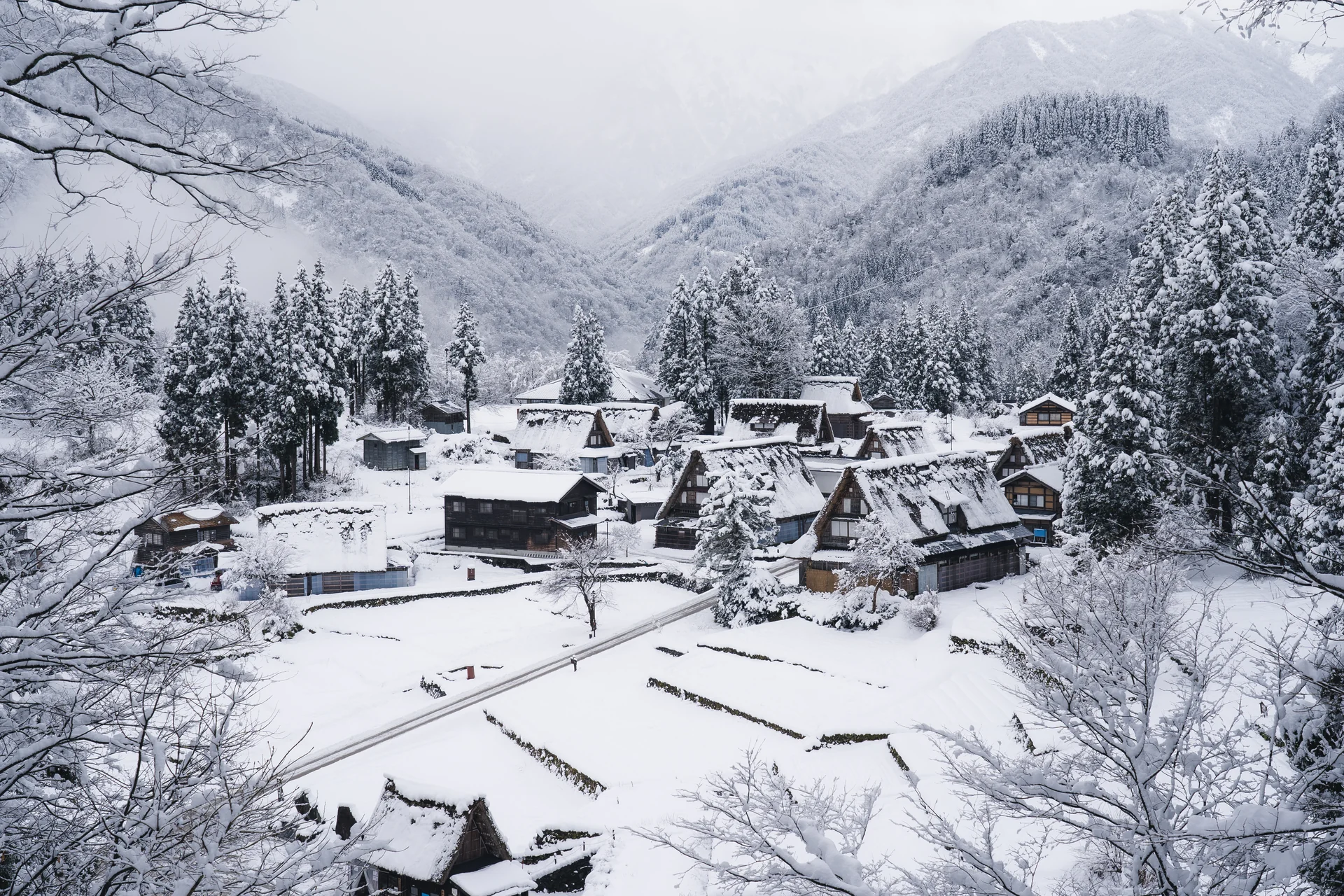
In Kanazawa, Kenroku-en and the city's cultural institutions set the tone. In Kaga, the streets of Yamashiro Onsen wrap around a public bathhouse, close to the shops of Kutani ware. Toyama offers the fishing boats of Uchikawa in Shinminato and, in the mountains, the gassho-zukuri farmhouses of Gokayama. In Fukui, Zen temple halls and gardens built around water await.
The effects of the Noto Peninsula earthquake and the heavy rain that followed differ from area to area and from facility to facility. In the Ishikawa Prefecture Tourism League's guidance checked on 28 October 2026, reopenings, construction work and transport are announced separately. The source invites visitors to enjoy the shops, food and culture that are welcoming guests now, after checking facilities and transport just before travelling.
The photographs on this page show the region's landscapes as they were when taken. They are not properties for sale, and they do not show current opening hours or road conditions.
PLACES TO KNOW
The guide divides the region into six areas. Kanazawa is about gardens and quiet reflection; Yamashiro and Kaga about bathhouse streets and Kutani ware; Yamanaka Onsen about a gorge and lacquerware; Nanao, Wakura and Noto about meeting the businesses and culture open today; Toyama about a harbour town and mountain homes; Fukui about Zen and water gardens.
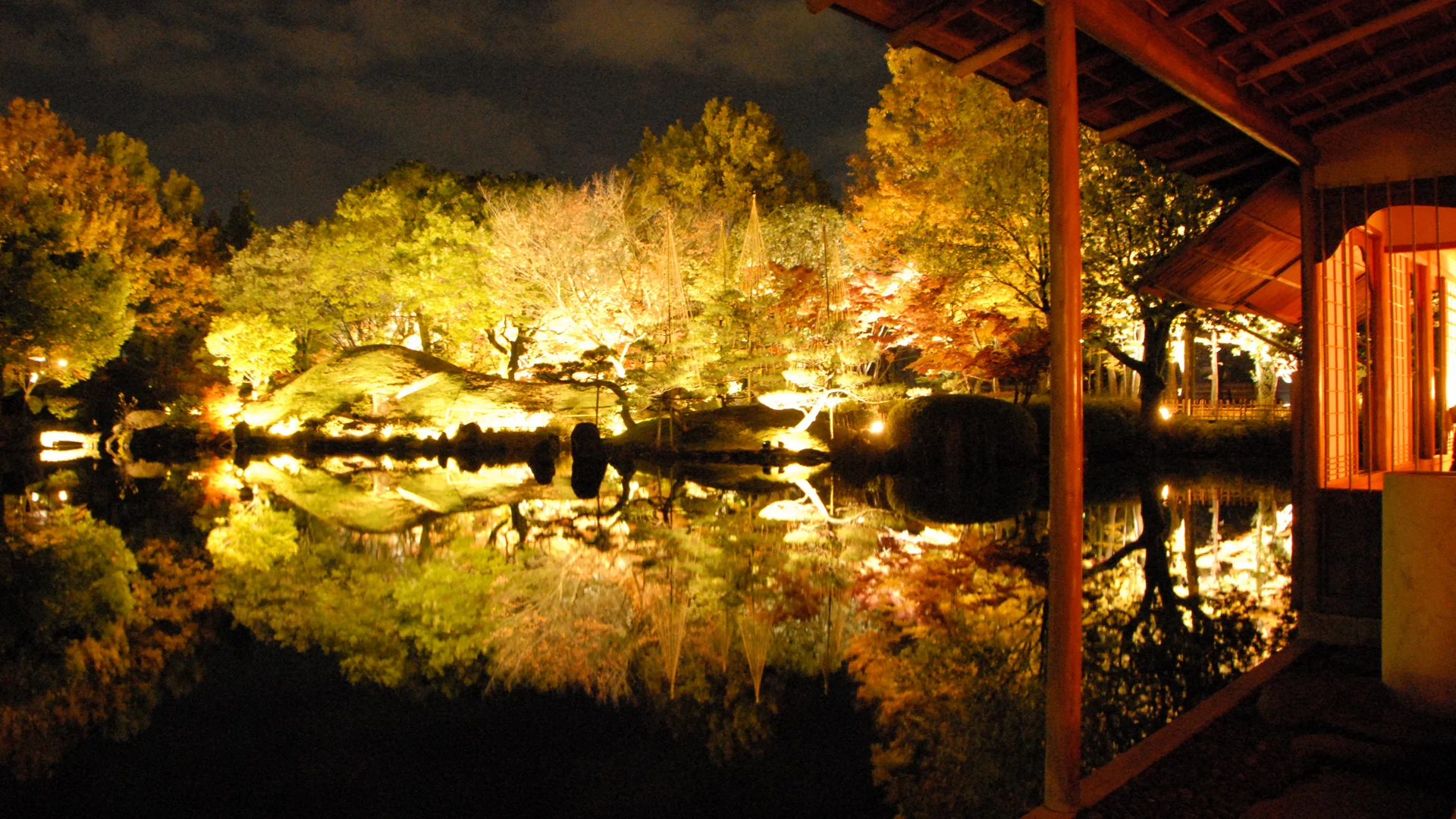
Kenroku-en's ponds, winding streams and artificial hills lead on to Kanazawa Castle Park, the D.T. Suzuki Museum and the Izumi Kyoka Memorial Museum. It is a city that rewards pausing rather than rushing.
Streets circle the public bathhouse and the older Ko-Soyu, with Kutani tiles, pottery shops and Iroha Soan, where Kitaoji Rosanjin lived as a young man. Baths, crafts and sweets sit within a short walk.
The Kakusenkei Gorge path passes Ayatori Bridge and Korogi Bridge, with riverside seating in season. The Yuge Kaido street sells Yamanaka lacquerware and Kutani ware.
Destinations are best chosen through the prefecture's dedicated recovery information, which introduces Nanao's food and a hall presenting Wakura's festival culture. Official guidance also notes seawall repair work and differences in operation between lodgings.
Fishing boats line the Uchikawa canal in Shinminato, a working port town. In Gokayama, the Ainokura gassho-zukuri village forms one landscape with its fields and snow-protection forest; the two are not within walking distance of each other.
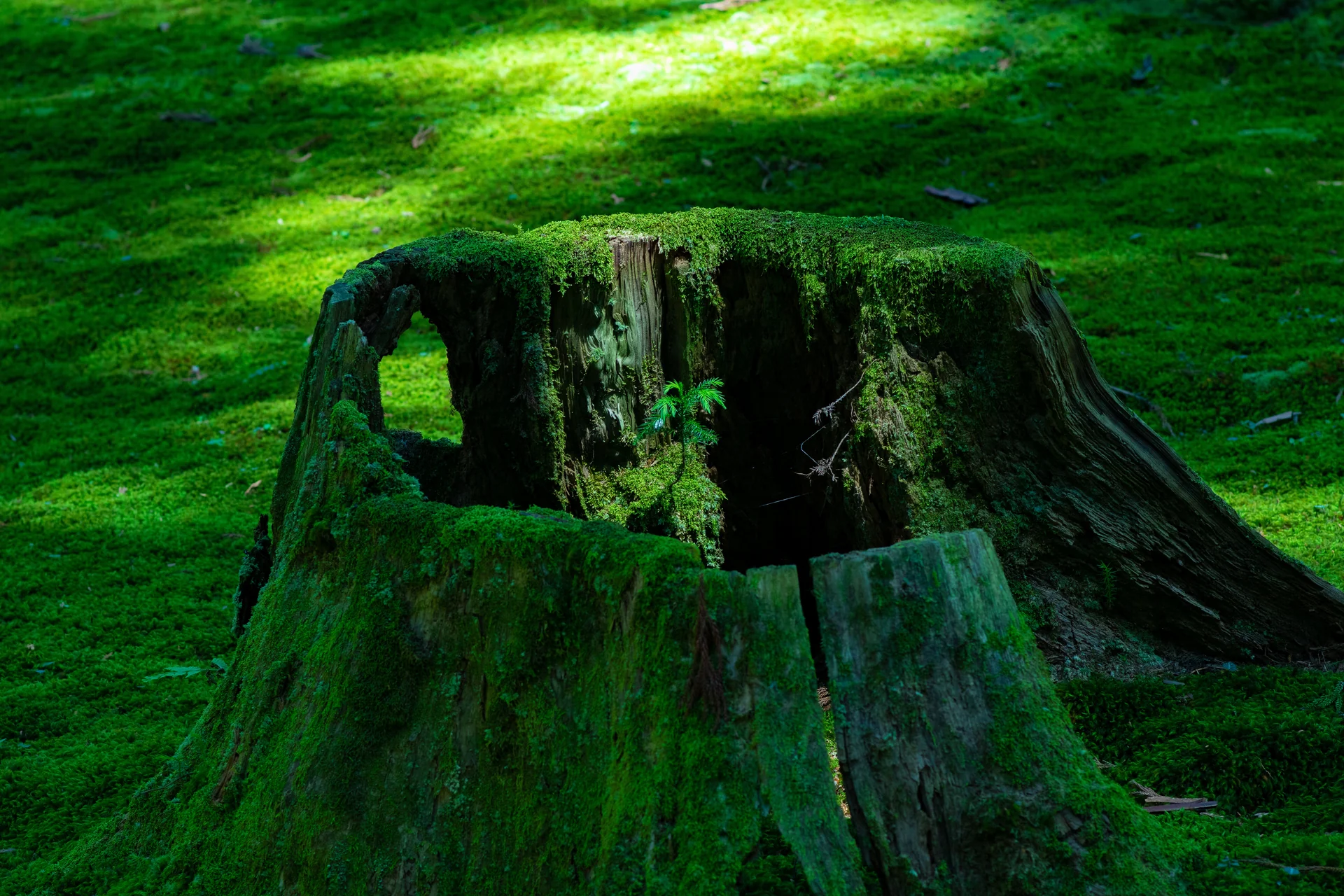
Yokokan Garden in Fukui city, the Zen training monastery of Daihonzan Eiheiji, and the moss and stone-paved paths of Heisenji Hakusan Shrine in Katsuyama, each reached by a separate journey.
SEASONS & TRAVEL
The source suggests deciding where to spend time rather than how much to see: gardens and rice paddies in spring, the gorge and harbour in summer, ceramics and gardens in autumn, snow scenes and winter sweets in winter. Snow in the mountains and conditions in Noto should be checked just before travel, and in winter footing and roads as well.
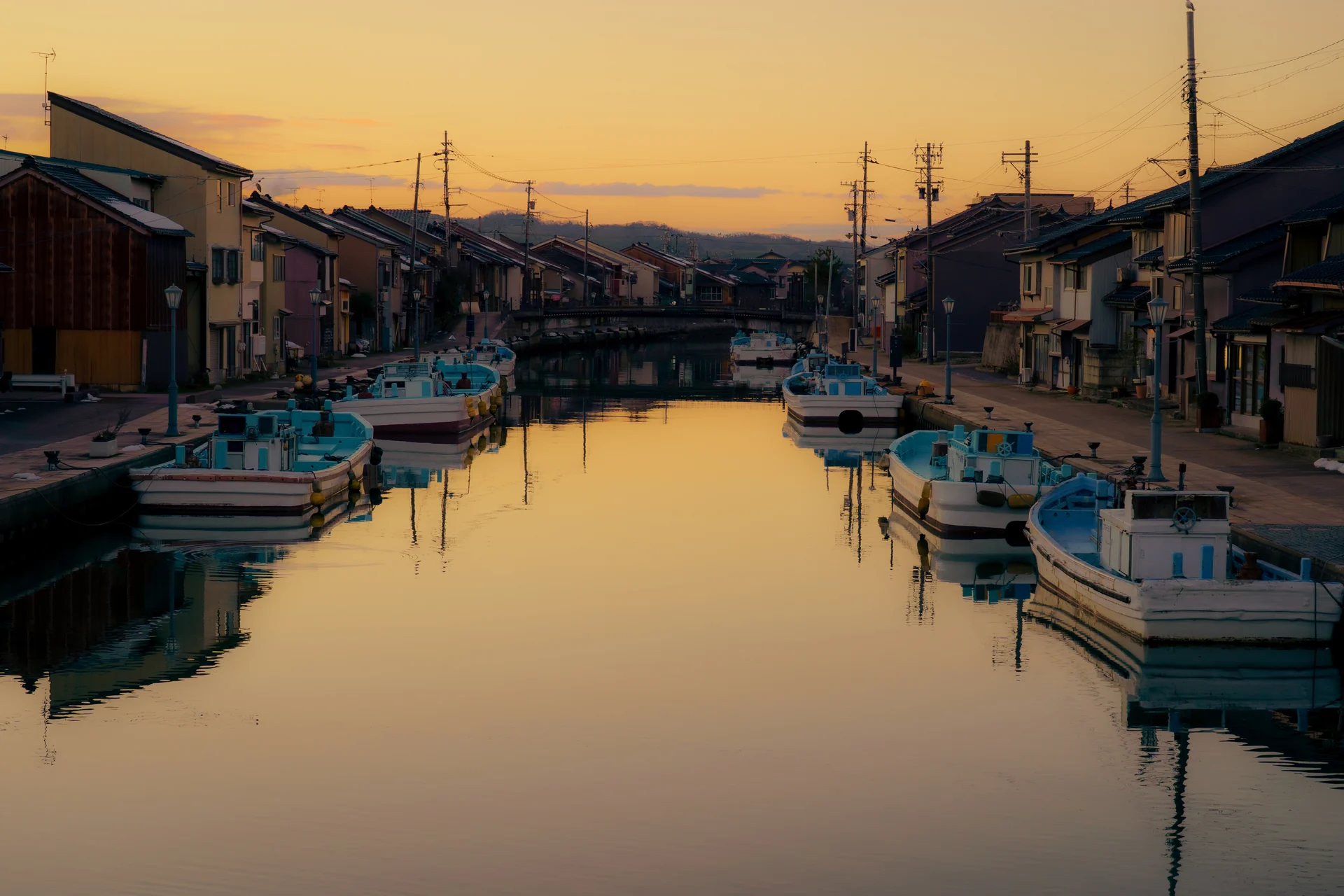
In spring, the gardens of Kanazawa and Fukui show shifting light on water and trees, while Gokayama's houses and fields form a single landscape; snow can linger in the mountains after it has gone from the plains. Summer suits the shade and river sounds of Kakusenkei and the waterside streets of Uchikawa, with exhibitions and meals filling the hottest hours.
Autumn colour reaches the gorge and the gardens, and it is a good season to choose a plate in Yamashiro's pottery shops. Winter brings snow on garden scenes and thatched roofs, steam over the baths and Fukui's mizu-yokan, a soft bean jelly enjoyed in winter. Outdoor plans depend on footing and roads, so indoor culture and food balance the day.
The guide's editorial itineraries include two nights linking Kanazawa's gardens with the baths and ceramics of Kaga; one night pairing Shinminato's harbour with Gokayama; and one night for Yokokan Garden and Eiheiji, with Echizen oroshi soba for lunch. Local tables also feature masu-zushi, white shrimp and seasonal seafood from Toyama Bay, Gokayama tofu and Mikohara rice from Hakui.
THE LODGING MARKET
Japan Tourism Agency figures for 2025 (confirmed) show 9,516,310 guest nights across Ishikawa Prefecture, 22.5% of them by foreign guests, with overall room occupancy of 57.1% and ryokan room occupancy of 35.2%. These are prefecture-wide totals, not results for this area or for any individual property; Toyama and Fukui are counted separately in the same statistics.
| Guest nights, Ishikawa Prefecture | 9,516,310 guest nights 2025 (Jan–Dec), confirmed · source |
|---|---|
| Share of guest nights by foreign guests | 22.5% 2025 (Jan–Dec), confirmed · source |
| Room occupancy, all lodging types | 57.1% 2025 (Jan–Dec), confirmed · source |
| Room occupancy, ryokan | 35.2% 2025 (Jan–Dec), confirmed · source |
| Licensed lodging facilities under the Inns and Hotels Act (three categories) | 1,535 facilities As of 31 March 2025 (end of FY2024) · source |
BUYING & RUNNING AN INN HERE
Running an inn here means confirming practical conditions alongside the scenery. In Noto, recovery and operation must be checked facility by facility; across Hokuriku, snow and rain shape how guests move; and baths, crafts and hot-spring rights each need their own checks. Record the date each item was confirmed. What follows is a checklist, not legal advice.
In Noto, opening status and access cannot be described by area name alone. Check facility openings, construction work, roads, rail and buses separately, with dates. Do not infer a property's condition from landscape photos or reopening news; keep building, equipment and contract records apart from the on-site survey.
Check how guests reach the inn from stations and car parks, how wet luggage and footwear are handled, winter vehicle conditions, how far any shuttle service runs, and which indoor exhibitions and restaurants work on bad-weather days.
Public bathhouses and an inn's own baths are run differently. Investigate rights to the hot-spring source and bathing equipment, and their inspection, as a separate item, and confirm the position under the Hot Spring Act (温泉法) with the prefectural office.
Bathhouses, inns, craft shops and studios each have their own operators. Agree booking deadlines, group sizes, delivery of finished pieces and cancellation terms. Local culture is not a guarantee of occupancy or sales.
Taking over an inn licence under the Inns and Hotels Act (旅館業法) is handled through the local public health centre. Confirm licence status, building-law and fire-code compliance, and staffing with the authorities and licensed professionals.
Estimate acquisition, renovation and working capital together, and decide early whether to operate the inn yourself or appoint an operating company.
FAQ
Short answers drawn from this guide. The market figures are prefecture-wide, the photographs are not listings, and the situation in Noto varies by facility. Anything legal, tax-related or specific to a property should be confirmed with the relevant authorities and a licensed professional. Where this guide is silent, the answer should come from the seller, the authorities or a professional, not from assumption.
Kanazawa; Yamashiro and Kaga; Yamanaka Onsen; Nanao, Wakura and Noto; Toyama, Shinminato and Gokayama; and Fukui, Echizen and Okuetsu. It is a broad tourism and lodging guide and does not indicate where any listing is located.
No. The photographs show regional landscapes, culture and food, with the place of each shot stated. They imply no business relationship with any facility shown and do not indicate the location of properties for sale.
No. They are the Japan Tourism Agency's 2025 confirmed figures for the whole of Ishikawa Prefecture. They are not totals for Kanazawa, a municipality or an individual facility.
The effects of the 2024 earthquake and later rain differ by area and facility. Get a direct, dated answer from the facility, check construction, roads and public transport, and commission a survey of the building and equipment rather than relying on photos or general reopening reports.
Typically an inn licence under the Inns and Hotels Act and, where hot springs are used, permissions under the Hot Spring Act. Requirements depend on the property, so check with the local public health centre and a licensed professional.
Reviewed by Masayuki Tsutsumi, Representative Director, Japan Realtor Co., Ltd. · Updated 2026-10-29 · Masayuki Tsutsumi
NEXT STEP
Membership is currently limited. Register your interest or speak with our advisory team; a first enquiry needs only an email address.