01
Kusatsu Onsen
The steaming Yubatake, yumomi water-stirring and dance shows at Netsu no Yu, and Sainokawara Park, where hot water flows as a stream.
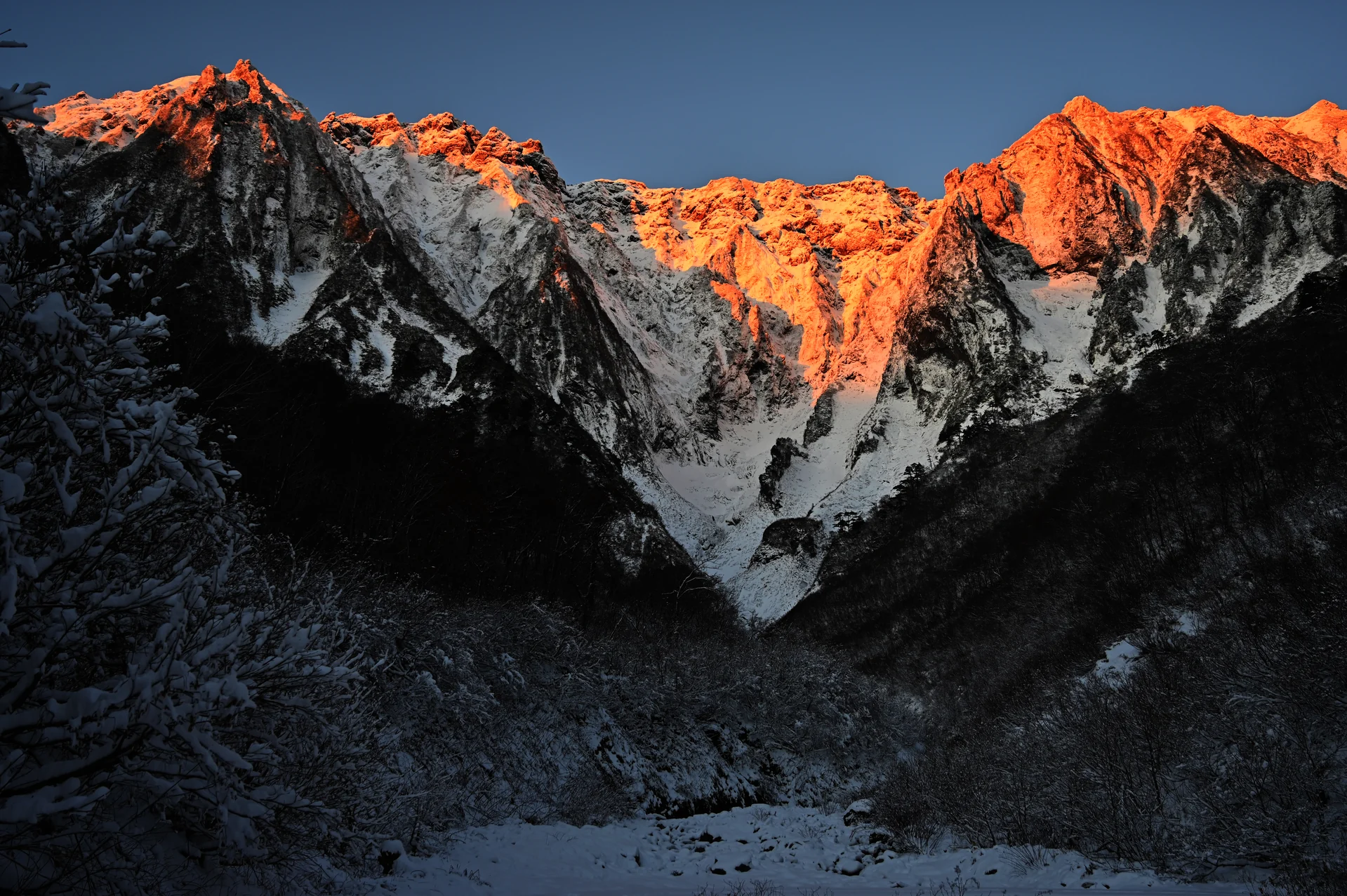
REGIONAL GUIDE — JAPAN
Gunma Prefecture
White steam over the Yubatake in Kusatsu, people climbing the stone steps of Ikaho, rivers and craft villages in Minakami, and quiet inns along the Shima River. This guide walks through Gunma's hot-spring towns one by one, for buyers and operators considering an inn here.
OVERVIEW
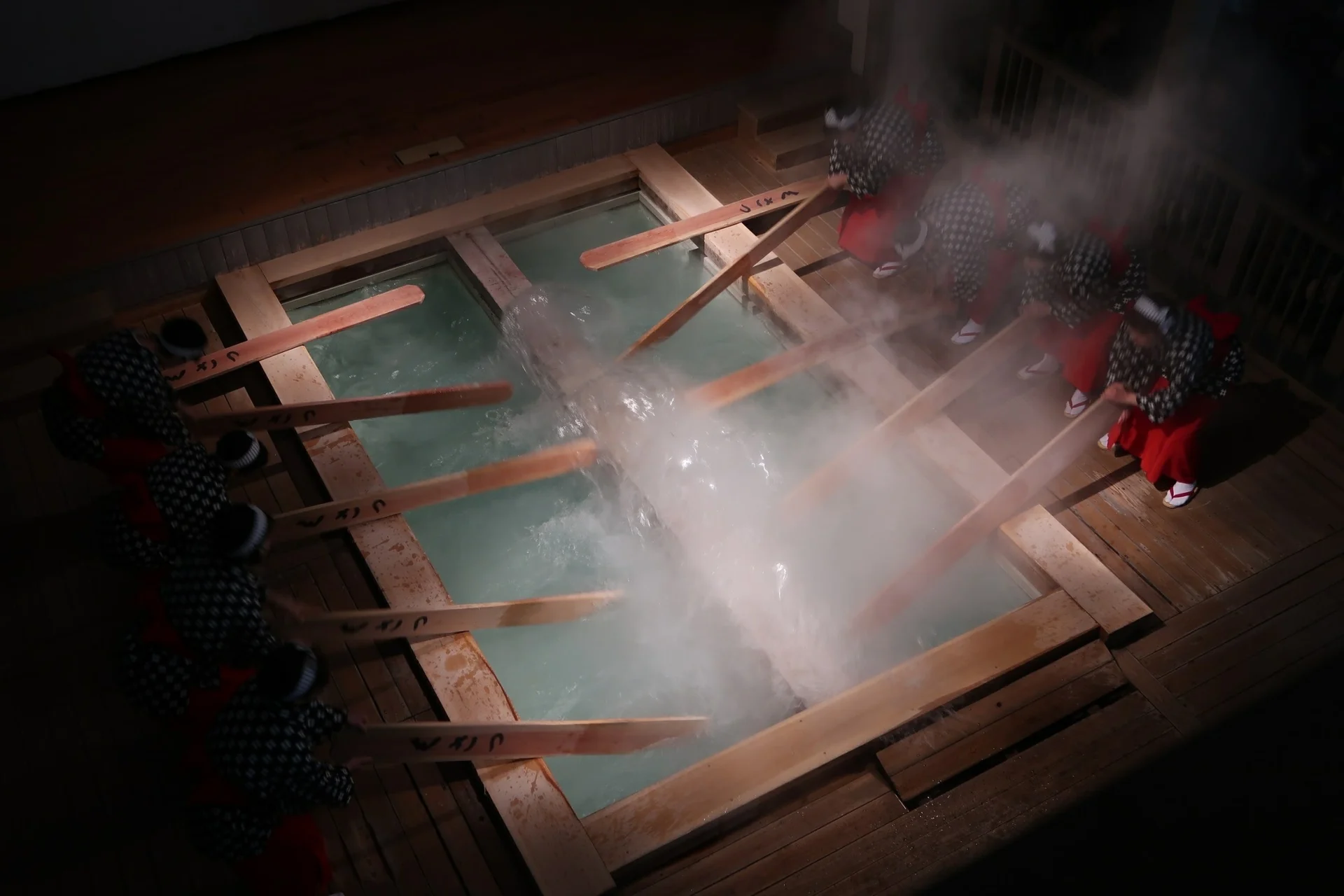
Kusatsu, Ikaho, Minakami and Shima are hot-spring areas in Gunma Prefecture, each with its own shape: Kusatsu is built around the Yubatake spring field, Ikaho around a stone stairway lined with shops and inns, Minakami around Mt. Tanigawa, the Tone River and craft villages, and Shima around a riverside onsen street. Investors look at these towns because guests come to stay and walk rather than tick off sights, and because Gunma recorded 8,766,180 guest nights in 2025 (confirmed figures, prefecture-wide).
Photos show the region, not properties for sale.
THE AREA
Gunma's onsen towns show how spring water has been carried into everyday life: the wooden channels of Kusatsu's Yubatake, Ikaho's stairway of shops and inns, and Shima's inns beside a clear river. Each town sets a different walking pace. The appeal for a stay is time spent in one place — leaving your bags at the inn, going out to learn the town, and returning to the bath.
In Kusatsu the hot water itself is the town centre. At the Yubatake, spring water runs through wooden troughs to cool before it reaches the baths, and yunohana mineral deposits are collected along the way. The scene was designated a national Place of Scenic Beauty in 2017 as a landscape expressing Japan's hot-spring culture.
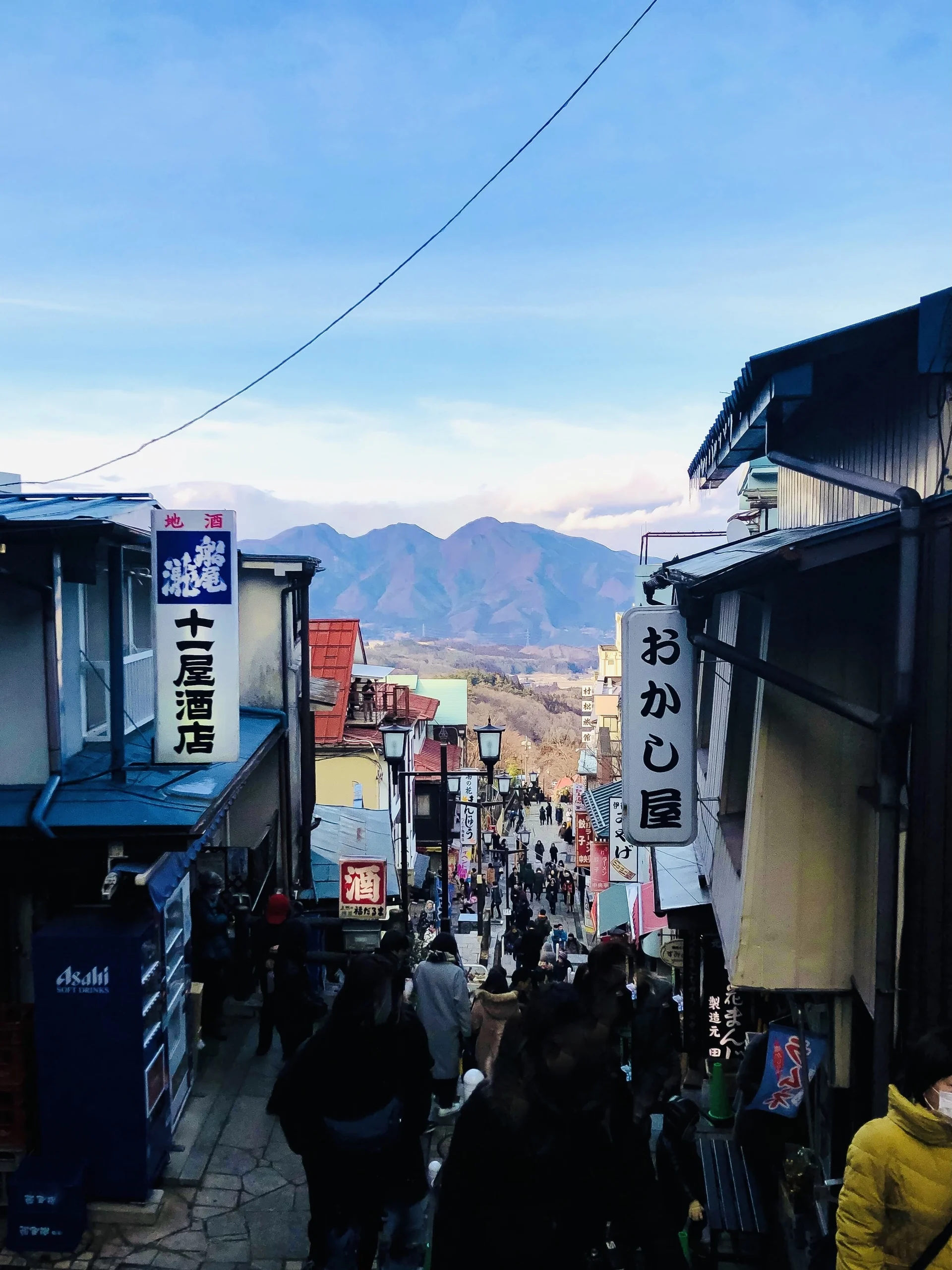
Ikaho is a town of slopes. Its stone stairway reached 365 steps in 2010 after renovation and extension, and shops and inns open directly onto it. Shima Onsen follows the Shima River upstream towards the Hinatami Yakushido hall and Lake Okushima.
Minakami adds mountains and water: views of Mt. Tanigawa, guided rafting on the Tone River, and Takumi no Sato, a village of craft workshops. An inn's appeal here lies not only in its rooms and baths, but in the paths guests walk and the food and local work they meet.
The photographs on this page show the region's scenery and culture. They do not show, and are not connected to, any property for sale.
PLACES TO KNOW
The guide covers six areas: Kusatsu Onsen, Ikaho and Mizusawa, Minakami and Tanigawa, Sarugakyo and Lake Akaya, Takumi no Sato and Tsukiyono, and Shima Onsen. Each offers a different reason to stay — a living hot-spring landscape, a stairway town with a temple and udon nearby, river and mountain activity, a lakeside onsen on an old highway, hands-on crafts, or a quiet riverside spa with a long history of therapeutic stays.
The steaming Yubatake, yumomi water-stirring and dance shows at Netsu no Yu, and Sainokawara Park, where hot water flows as a stream.
A 365-step stone stairway lined with shops, the Tokutomi Roka Memorial Literature Museum, and Mizusawa Kannon temple, with Mizusawa udon served nearby.
Views of Mt. Tanigawa, guided rafting on the Tone River, and the Doai area, long a gateway for people heading into the mountains.
Hot springs beside Lake Akaya, where Minakami meets the old Mikuni Kaido highway; suited to unhurried stays.
Craft workshops for soba-making, woodwork and paper in a former post town on the Mikuni Kaido, with terraced rice paddies around Sanazawa.
An onsen street along the Shima River, the Sekizenkan inn across its red bridge, the Hinatami Yakushido hall built in 1598, and Lake Okushima, whose blue changes with season and light.
SEASONS & TRAVEL
Each season moves the focus. Spring brings rhododendrons around Kusatsu's Shirane Shrine and snowmelt in Shima; summer suits guided river trips in Minakami and crafts at Takumi no Sato; autumn colours Lake Akaya and Lake Okushima; winter favours short walks, warm meals and time in the inn. Mountain roads and the ropeway close or pause seasonally, so plans should follow official notices.
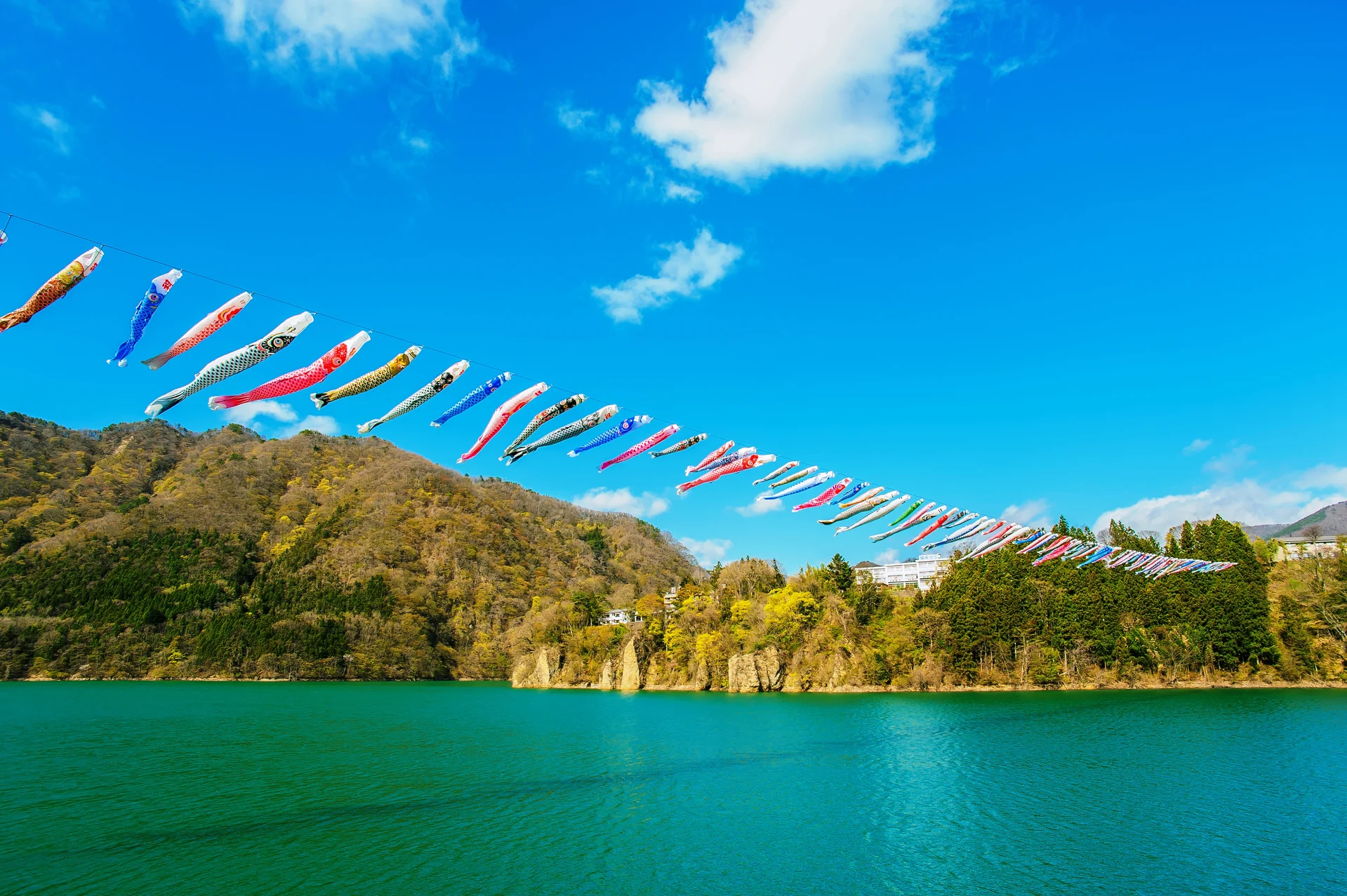
In spring, flowers open at different times depending on altitude, so routes are chosen by elevation. In summer, an outdoor day on the river pairs well with an indoor day at a workshop, and in Kusatsu or Shima a short walk through town followed by rest at the inn suits the heat.
Autumn brings colour around the lakes, harvest scenery in the villages, new-crop rice and quiet museum visits. In winter, Shima offers a limited-season local sake, and stays centre on the bath and the dining table.
THE LODGING MARKET
According to the Japan Tourism Agency's confirmed 2025 statistics, Gunma Prefecture recorded 8,766,180 guest nights, of which foreign guests made up 4.1%, and ryokan room occupancy was 45.9%. As of 31 March 2025 the prefecture had 1,121 licensed ryokan and hotel facilities. These figures cover the whole prefecture, not Kusatsu, Ikaho, Minakami or Shima alone, and say nothing about any individual property's results.
| Guest nights (Gunma Prefecture) | 8,766,180 January–December 2025, confirmed · source |
|---|---|
| Share of foreign guest nights | 4.1% January–December 2025, confirmed · source |
| Ryokan room occupancy | 45.9% January–December 2025, confirmed · source |
| Busiest month by guest nights | August: 1,025,230 2025 monthly comparison · source |
| Licensed ryokan & hotel facilities | 1,121 facilities (29,680 rooms) As of 31 March 2025 (end of FY2024) · source |
BUYING & RUNNING AN INN HERE
In Kusatsu and Ikaho, slopes and stairways are part of every stay, so check the route from parking and luggage drop to entrance, dining room and guest rooms, and how hot-spring water is piped and maintained. In Minakami, plan around seasonal closures. Across the area, confirm licences, hot-spring rights, fire and building compliance, staffing and financing with the authorities and licensed professionals.
Walk the real route from car drop-off and luggage entrance to the front door, dining room and guest rooms, and the slope guests climb back from town. Can you offer both a walking route and a step-free one?
Confirm how the spring water is piped to the property and maintained, and whether hot-spring extraction and use permits under the Hot Springs Act (Onsen-ho) can be transferred to a new owner. Check with the prefecture's offices.
A lodging business needs a licence under the Inns and Hotels Act (Ryokan-gyo-ho), and buildings must meet fire and building codes. Ask the local health centre and fire department how succession or a new licence would work for your structure.
Ropeways and some mountain roads in Minakami close for winter or maintenance. Keep guest information current and plan indoor alternatives.
Rice, soba and Shima's sake rice tell the story of the land. Check origin, processing location, seasonal supply and storage temperature before featuring a product.
Check how linen, cleaning and staff will be secured in a rural onsen town. Estimate acquisition, renovation and working capital, and the repayment plan, with your bank and advisers.
FAQ
This guide describes the Kusatsu, Ikaho, Minakami and Shima area of Gunma Prefecture for people considering a ryokan or hotel there. Its photographs show regional scenery, not properties for sale, and its market data are prefecture-wide official figures rather than results for any town or inn. Licensing, hot-spring rights and tax questions depend on the individual property, so confirm them with the authorities and a licensed professional.
Kusatsu Onsen, Ikaho and Mizusawa, Minakami and Tanigawa, Sarugakyo and Lake Akaya, Takumi no Sato and Tsukiyono, and Shima Onsen. It is a regional guide and does not indicate where any listing is located.
No. The photographs show regional scenery, culture and food. They have no business relationship with any property for sale and do not show listing locations.
No. They are the Japan Tourism Agency's confirmed 2025 figures for the whole of Gunma Prefecture. A single town or property must be checked separately, including its own monthly results.
Typically the lodging licence under the Inns and Hotels Act, hot-spring permits under the Hot Springs Act, and fire and building compliance. Requirements vary by property, so check with the prefecture, health centre, fire department and a licensed professional.
Yes. Owners can start from their current operations, facility issues and wishes for the next operator, using a private draft or a consultation with TSUNAGU staff.
Reviewed by Masayuki Tsutsumi, Representative Director, Japan Realtor Co., Ltd. · Updated 2026-10-29 · Masayuki Tsutsumi
NEXT STEP
Membership is currently limited. Register your interest or speak with our advisory team; a first enquiry needs only an email address.