01
Gero Onsen
A hot-spring town along the Hida River, with bridges, footbaths, the Gero Hatsu Onsen Museum and Onsen-ji temple above the streets. Footbaths and inn baths have different conditions of use.
REGIONAL GUIDE — JAPAN
Gifu Prefecture · Chubu region
Gero bathes beside its river, Takayama trades at its morning markets, and Okuhida opens onto the Northern Alps. Further south, cormorant fishing lives on along the Nagara River. This is a region best understood one base at a time.
OVERVIEW
The Gero, Takayama, Okuhida and Nagara River area of Gifu Prefecture brings together a riverside hot-spring town, a merchant town of latticed houses and morning markets, five scattered mountain onsen villages beneath the Northern Alps, and the river culture of Gifu City. Each sub-area gives travellers a different reason to stay, and each comes with its own practical conditions: mountain roads and snow, river levels, and the rules of villages where people still live. This guide reads the area through both lenses.
Photos show the region, not properties for sale.
THE AREA
Gero, Takayama, Okuhida and the Nagara River in Gifu City each offer a separate reason to stay: a riverside onsen street, latticed townhouses and morning markets, ropeway views of the mountains, and an evening on the river. Rather than racing across a large prefecture, the source suggests choosing around two bases. Outdoor plans depend on rain, high water and mountain traffic, so indoor alternatives matter.
Nature and human craft sit close together here. Takayama is a town that sustains its festival; gassho-style farmhouses are preserved, some by relocation; on the Nagara, cormorant masters and their birds still work in step.
The history is specific. Construction of Takayama Castle by Kanamori Nagachika is said to have begun in 1588; the castle was abolished by order of the shogunate in 1695, and the area entered a period of direct shogunate rule. Sogen-ji, built in 1609 by Kanamori Arishige as Nagachika's family temple, is said to have received the castle's council hall as its main hall. In Gero, Onsen-ji temple, founded in 1671, keeps the legend of a white heron that revealed the hot spring: a legend, not a dated record.
The photographs on this page show the region's landscapes and culture. They are not properties for sale.
PLACES TO KNOW
The source divides the area into six stays: Gero Onsen, central Takayama, Takayama's temple district and outskirts, the Okuhida Onsen villages, Ogimachi in Shirakawa-go, and Gifu City on the Nagara River. Each has different access, walking conditions and seasonal risks, from footbath rules to mountain road closures and cancellations for high water, and these shape how an inn there runs day to day.
A hot-spring town along the Hida River, with bridges, footbaths, the Gero Hatsu Onsen Museum and Onsen-ji temple above the streets. Footbaths and inn baths have different conditions of use.
Old streets of projecting lattices, water channels and the cedar balls of sake breweries, with morning markets in front of Takayama Jinya and along the Miyagawa River.
East of the busy streets, a walking path links temples tied to Kanamori Nagachika's town planning, Sogen-ji and the Takayama Castle ruins. Its slopes differ from town pavements.
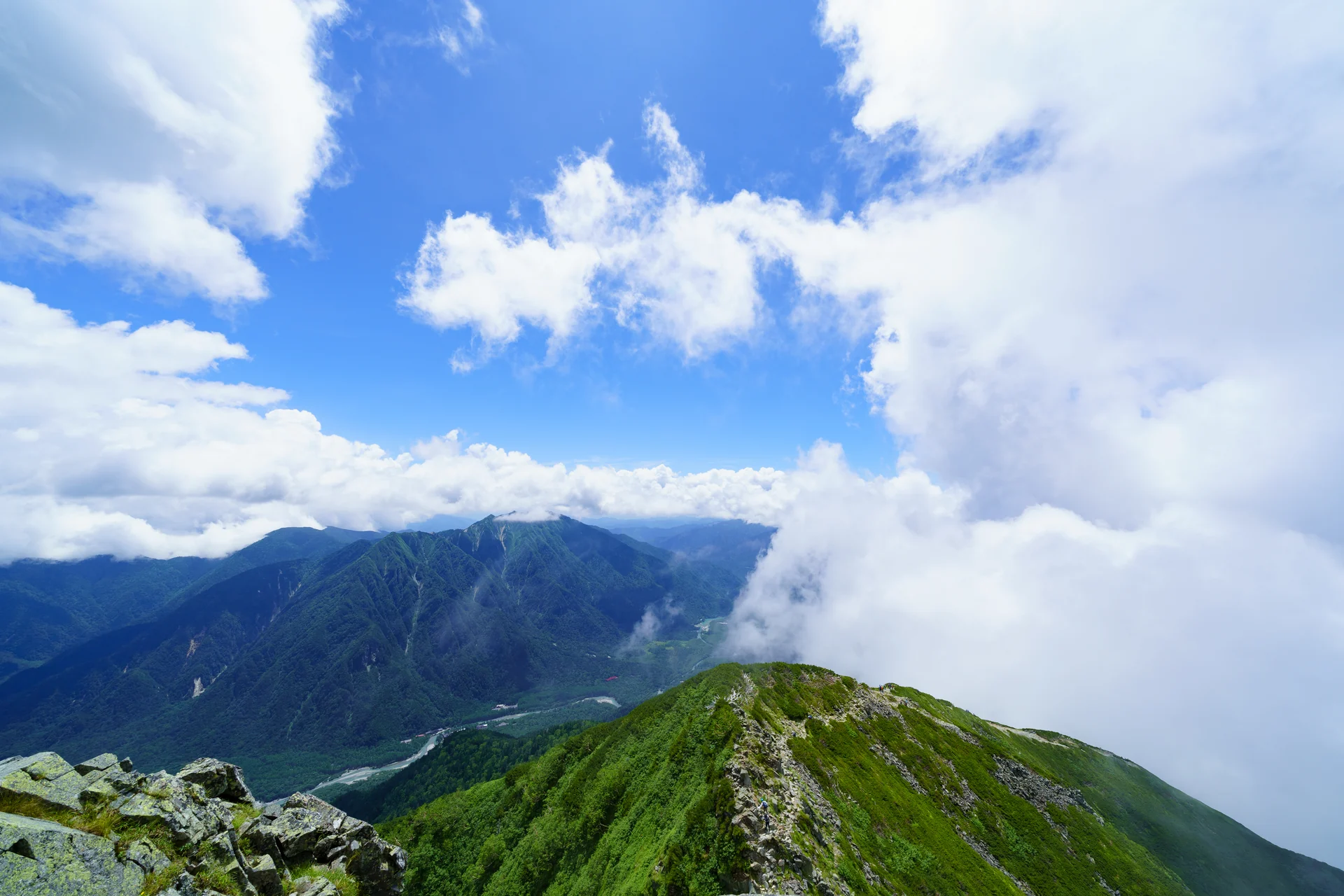
Hirayu, Fukuji, Shin-Hirayu, Tochio and Shin-Hotaka: five separate hot-spring villages scattered along valleys rather than one large resort. The Shin-Hotaka Ropeway opens views of the Northern Alps.
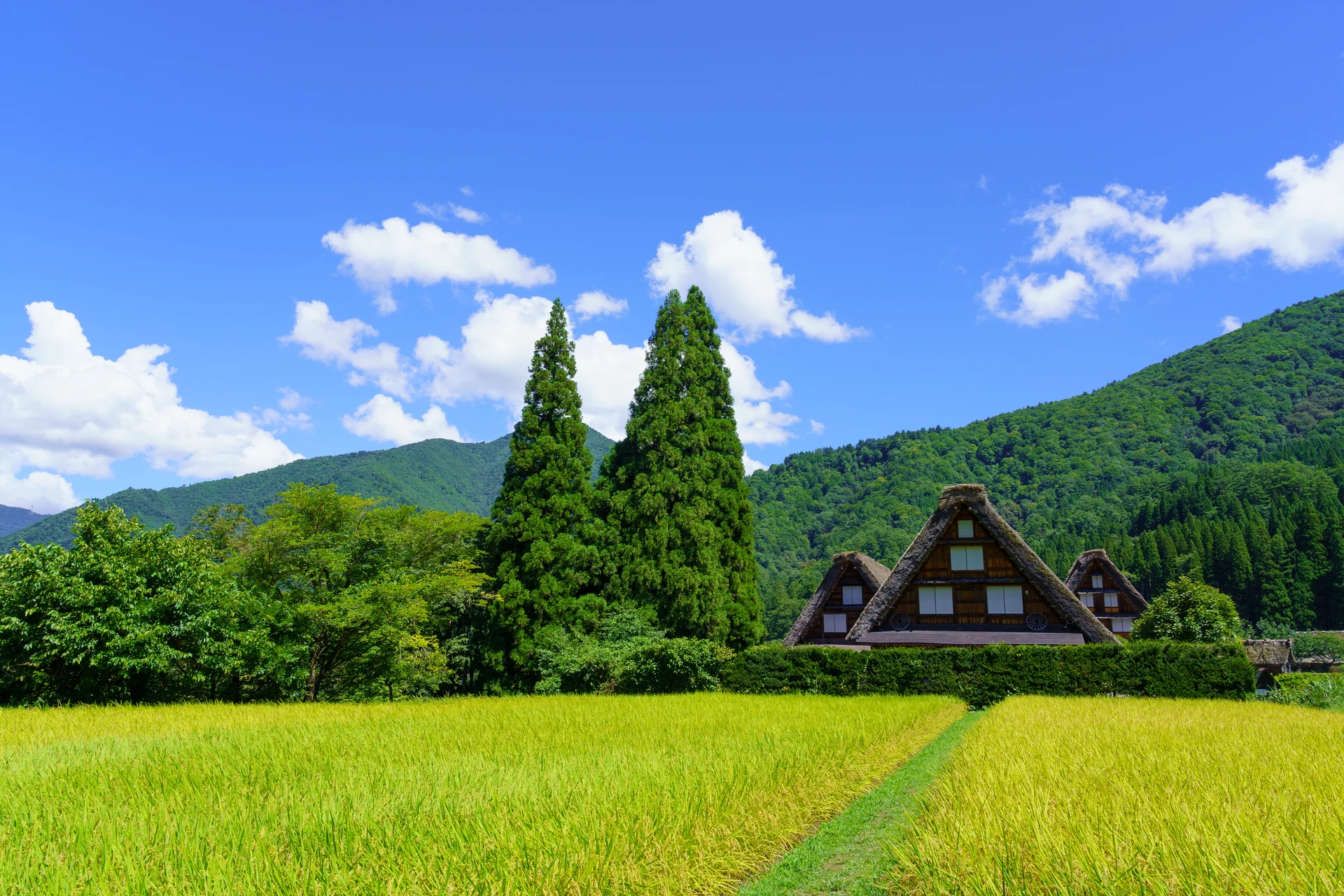
A village of gassho-style houses where people still live. Public facilities and the Gassho-zukuri Minkaen, an open-air museum of relocated houses, show the interiors; private homes and fields are off-limits.
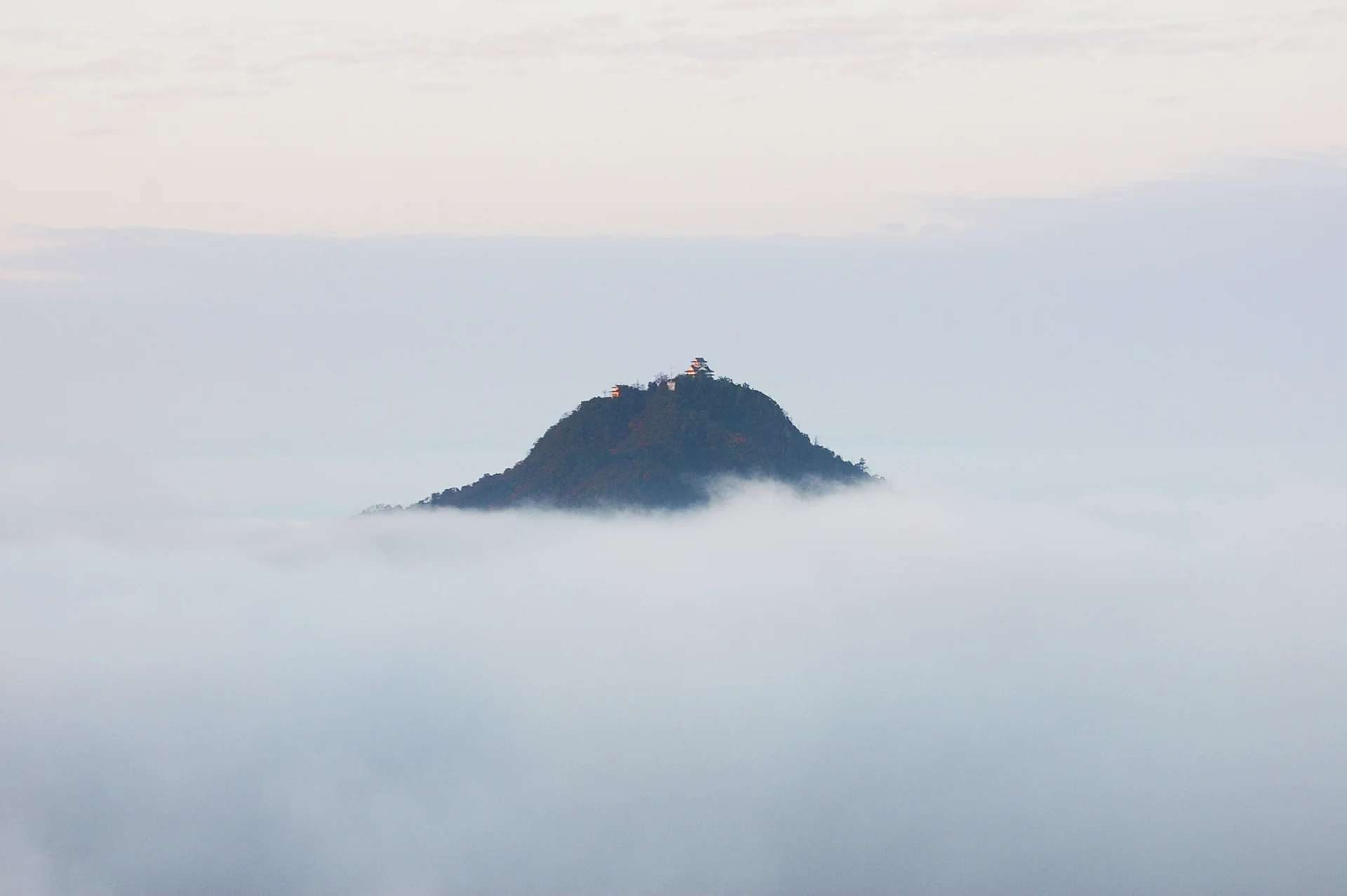
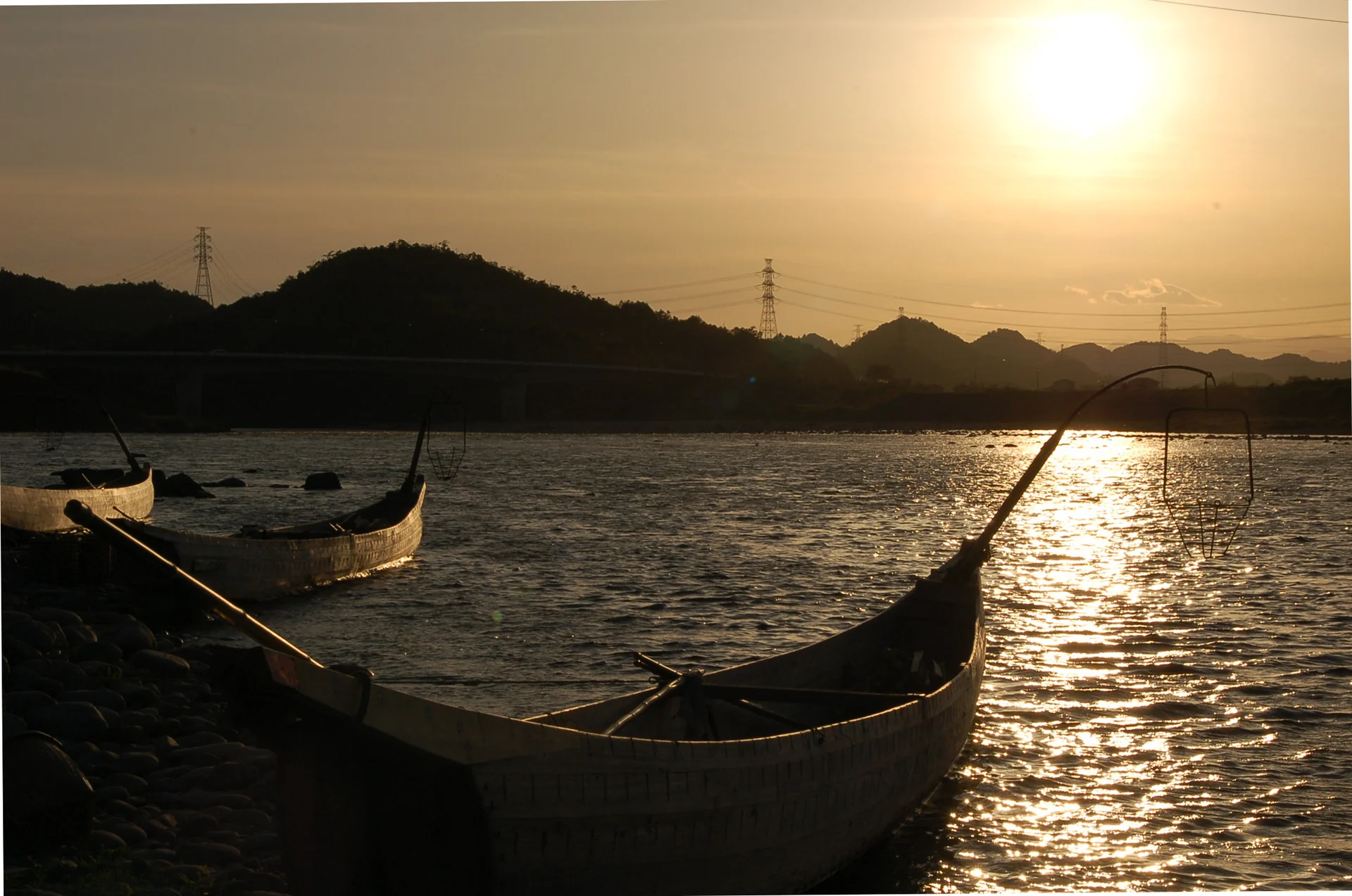
Cormorant fishing continues beneath Mt Kinka and Gifu Castle, with Basho's haiku monuments nearby. Viewing depends on the season, boat operations and water levels.
SEASONS & TRAVEL
Spring suits markets and town walks; summer pairs river evenings with mountain days; autumn colours arrive at different times by altitude; winter centres on snow-country houses and hot springs. In every season, high water, mountain wind and lightning, and winter roads can change plans, so the source recommends checking official notices first and always keeping indoor alternatives such as museums and town dining.
In spring, Takayama's morning market and old streets take centre stage; anyone timing a visit to the festival should check that year's schedule. Okuhida's mountain conditions differ from the lowlands, so snow, roads and services need checking before travelling.
Summer brings cormorant fishing on the Nagara and mountain scenery in Okuhida, though river trips can be called off for high water and mountain outings for wind or thunder. Autumn colours reach Okuhida, Takayama's temple district and Gero at different times. In winter, Shirakawa-go and Okuhida are beautiful but demand attention to roads and footing, while Gero and Takayama offer baths, museums and warm food.
The source sketches three model stays: one night in Gero for its baths and onsen culture; two nights moving from Takayama to Okuhida; and one night on the Nagara River, with the castle town by day and cormorant fishing at night. Between Takayama and Okuhida, check official road-restriction notices rather than relying on usual travel times.
THE LODGING MARKET
Official figures are available for Gifu Prefecture as a whole, not for Gero, Takayama, Okuhida or the Nagara River alone, and not for individual properties. Across the prefecture, 2025 guest nights reached 8,138,340, with foreign guests accounting for 24.6%. When assessing a specific inn, layer its own operating days, guest mix and monthly results on top of these broad seasonal patterns.
| Guest nights, all of Gifu Prefecture | 8,138,340 guest nights 2025 (Jan–Dec), confirmed · source |
|---|---|
| Share of guest nights by foreign guests | 24.6% 2025 (Jan–Dec), confirmed · source |
| Room occupancy rate, ryokan | 41.5% 2025 (Jan–Dec), confirmed · source |
| Busiest month by guest nights | August: 877,100 guest nights 2025 (Jan–Dec comparison) · source |
| Licensed ryokan and hotel facilities | 1,065 facilities As of 31 March 2025 (end of FY2024) · source |
BUYING & RUNNING AN INN HERE
The source frames ownership around local conditions rather than reputation. In Okuhida, verify road restrictions, detours and winter access against current official notices. A famous hot spring says nothing about one property's equipment, so check spring-use terms and bath and piping inspection records facility by facility. Near the markets and Shirakawa-go, guests need clear guidance on local rules. Treat this as a checklist, not legal advice.
Check road restrictions, detours, winter vehicle and parking conditions, and the walk with luggage from the nearest stop. Judge shuttles and snow clearing from the property's own records.
Confirm the contract terms for the hot-spring source, inspection records for baths and piping, and how day-visitor and overnight bathing are separated. Check how hot-spring rights and permits under the Hot Springs Act (温泉法) would be taken over.
Inns operate under the Inns and Hotels Act (旅館業法). Confirm the licence position and succession procedure with Gifu Prefecture's licensing and public-health offices, and have fire-code and building-law compliance reviewed by licensed professionals.
Morning markets and Shirakawa-go are places of daily life and work. Prepare guidance on private land, photography, walking at night and rubbish, and confirm booking and cancellation terms for cormorant fishing and festivals without treating them as guaranteed demand.
Market mornings and museum hours differ, and cormorant viewing ends after dark. Review breakfast times, luggage storage and meal arrangements.
Estimate acquisition, renovation and working capital and plan repayment, decide between self-operation and an operating company, and check how linen, cleaning and staff hand-over will work in a regional onsen town.
FAQ
These answers cover what the guide includes, what its photographs and prefecture-wide figures do and do not show, how questions about licences and hot-spring rights should be handled, and how current owners can start a confidential conversation with TSUNAGU. For anything legal or tax-related, always check with the relevant authorities and a licensed professional in Japan before making a decision.
Gero Onsen, central Takayama, Takayama's temple district and outskirts, the Okuhida Onsen villages, Ogimachi in Shirakawa-go, and Gifu City on the Nagara River. It does not indicate where any listed property is located.
No. The photographs show regional landscapes and culture with their locations credited. They imply no business relationship and do not mark a property for sale.
No. Guest-night and occupancy figures are the Japan Tourism Agency's confirmed 2025 statistics for all of Gifu Prefecture, and facility counts are prefecture-wide as of 31 March 2025. They are not figures for any single town or property.
Lodging businesses operate under the Inns and Hotels Act, and hot-spring use is governed by the Hot Springs Act. Whether and how licences and spring rights can be taken over depends on the property, so check with Gifu Prefecture's offices and a licensed professional.
Yes. Owners can start from their current operations, facility issues and hopes for the next operator, beginning with a private draft or a conversation with a TSUNAGU representative.
Reviewed by Masayuki Tsutsumi, Representative Director, Japan Realtor Co., Ltd. · Updated 2026-10-29 · Masayuki Tsutsumi
NEXT STEP
Membership is currently limited. Register your interest or speak with our advisory team; a first enquiry needs only an email address.