01
Hakone-Yumoto
The rail gateway to the mountains, a hot-spring town with a riverside shopping street. Even inns that seem close to the station can sit up a slope, so the walk, pick-up and luggage storage all matter.
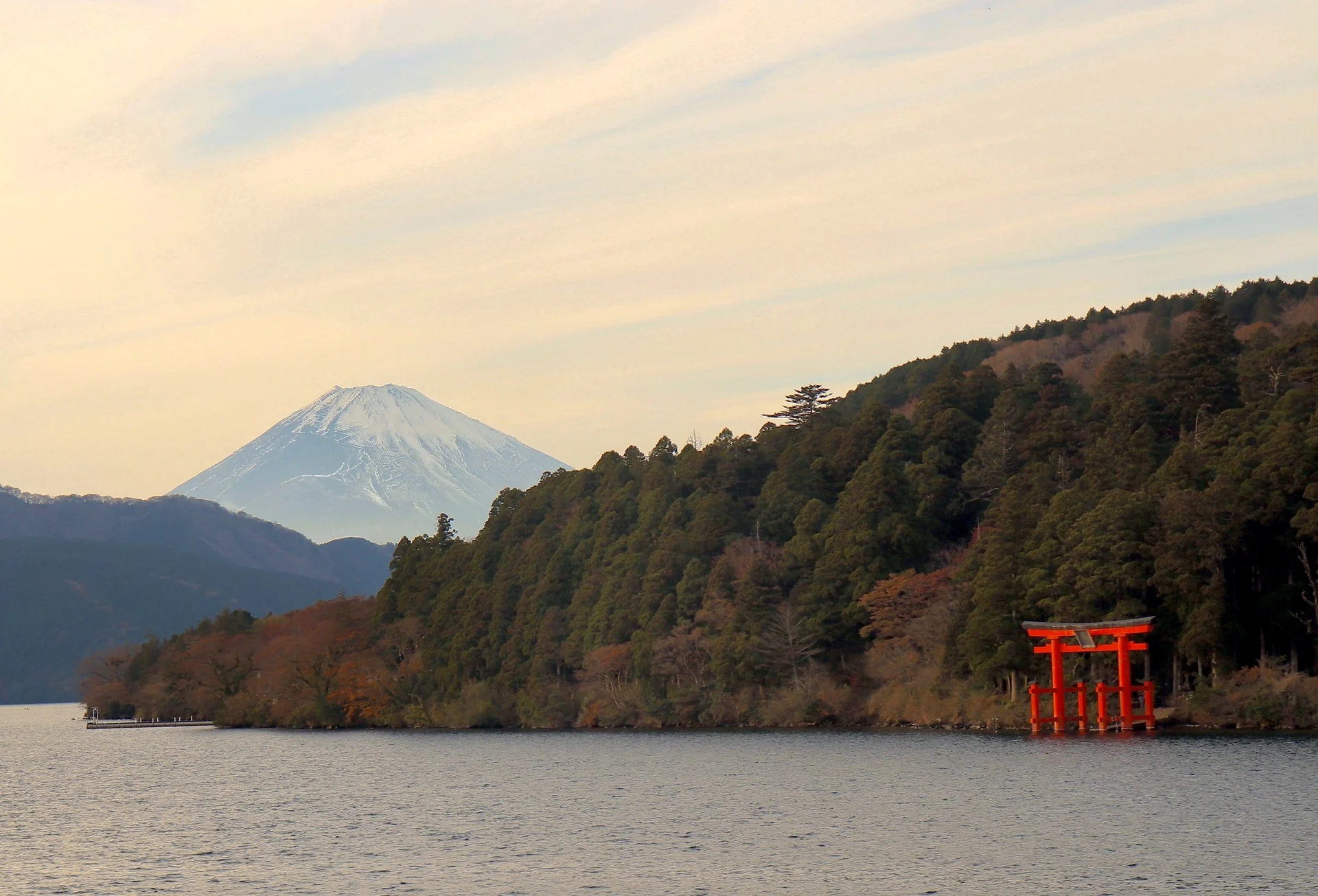
REGIONAL GUIDE — JAPAN
Western Kanagawa Prefecture
Western Kanagawa joins three very different places: Hakone with its lake, forests and art museums; Yugawara, a riverside spa town loved by writers and painters; and Odawara, with its castle and fishing port. The photographs show the region, not properties for sale.
OVERVIEW
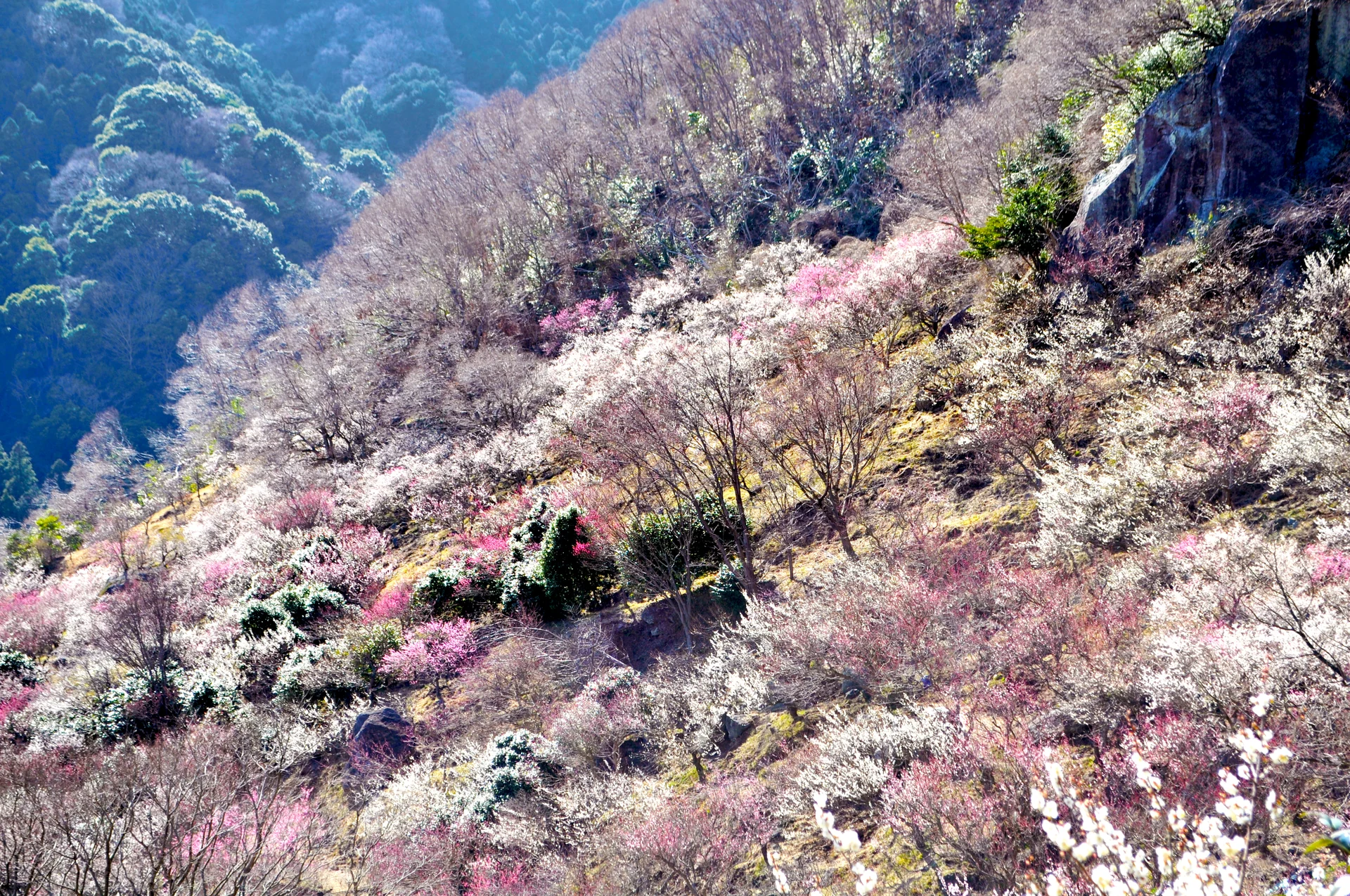
Hakone, Yugawara and Odawara form a wide stay area in western Kanagawa Prefecture, where hot springs sit beside art museums, the Hakone checkpoint, lakeside shrines and a castle town known for kamaboko and fish. Investors look here because guests come for many reasons, not only the baths. Kanagawa recorded 26,794,990 guest nights in 2025, 18.4% of them by foreign guests (prefecture-wide, confirmed). Each property must still be judged on its own access, equipment and records.
Photos show the region, not properties for sale.
THE AREA
Hakone is not one place but several: the shopping street of Yumoto, the slopes of Miyanoshita, the museums of Gora and Sengokuhara, and the shrine approaches of Lake Ashi. Yugawara and Odawara add a literary spa town and a castle town with a working port. Because the areas differ in elevation and are linked by buses and mountain transport, visitors tend to choose where to stay by purpose: art, the lake, or food by the sea.
In Odawara, the Hojo clan built a stronghold and enclosed both castle and town within outer defences. The castle was surrendered in 1590 after Toyotomi Hideyoshi's campaign, and today's keep was rebuilt in 1960. The Hakone checkpoint seen today is a reconstruction based on research into the original buildings and layout, best understood as an exhibit on Edo-period travel rather than a surviving structure.
Yugawara has long been a place of rest for writers and artists. Natsume Soseki stayed at the Amanoya inn late in life and set part of his unfinished novel Meian in the town; the painter Takeuchi Seiho spent much of his later years in a villa and studio on the Amanoya grounds. The Yugawara Municipal Art Museum opened in 1998 in a converted ryokan.
PLACES TO KNOW
The region divides into six sub-areas, each with its own reason to stay: Hakone-Yumoto, Miyanoshita and Kowakudani, Gora and Sengokuhara, Lake Ashi and Moto-Hakone, Yugawara and Oku-Yugawara, and Odawara and Hayakawa. For an inn, the differences show up in practical details: slopes and shuttle service, museum closing days and winter closures, the last boat or bus by the lake, and keeping purchases chilled.
The rail gateway to the mountains, a hot-spring town with a riverside shopping street. Even inns that seem close to the station can sit up a slope, so the walk, pick-up and luggage storage all matter.
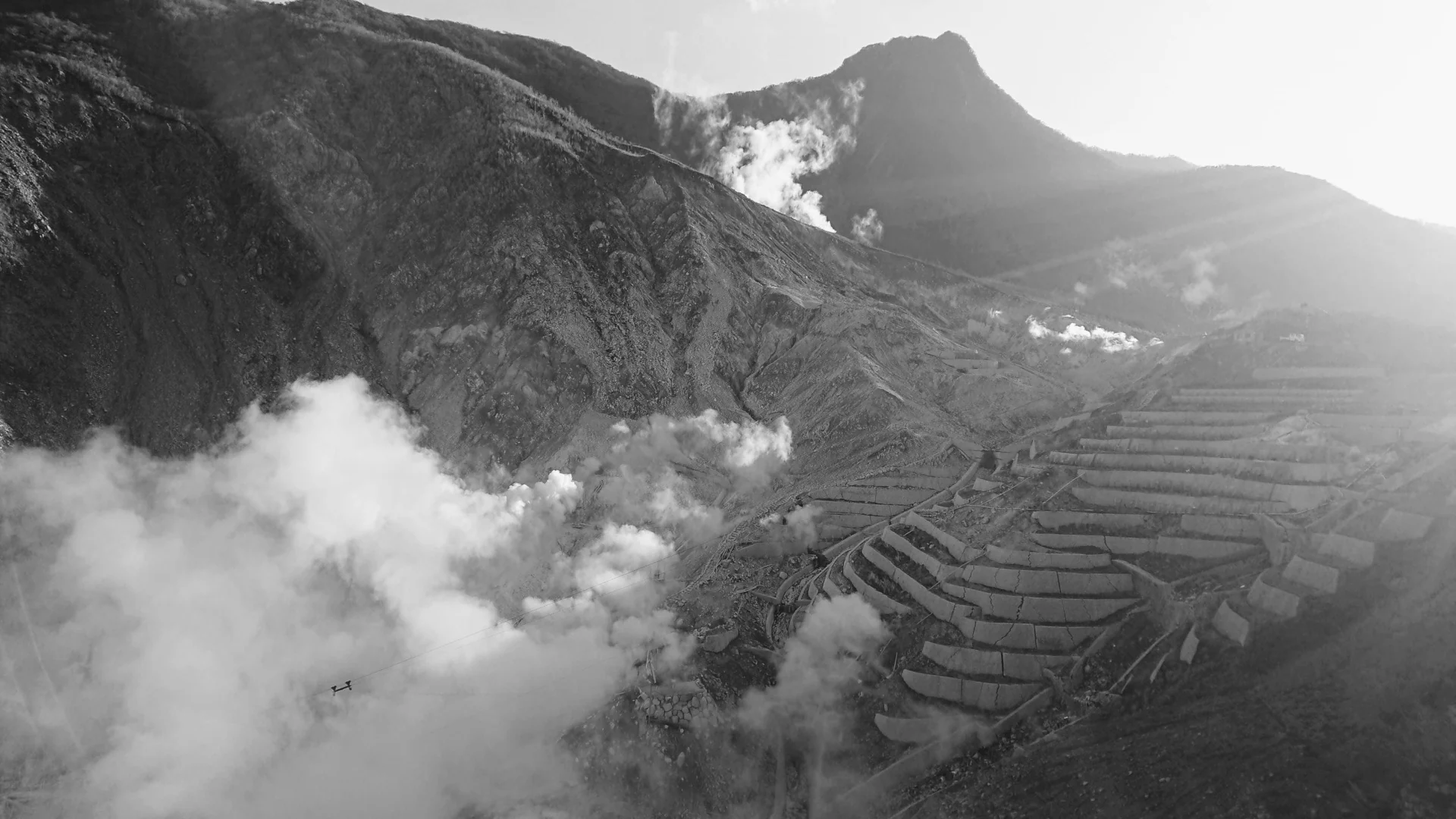
Steep streets lined with roadside buildings, and the Okada Museum of Art, which shows Japanese, Chinese and Korean art. For roadside inns, pavements, crossing points and drop-off space shape the stay.
Home to the Hakone Open-Air Museum, the Hakone Museum of Art, the Pola Museum of Art and the Hakone Botanical Garden of Wetlands. Outdoor exhibits depend on weather, and the wetland garden closes in winter.
Lake views combine with Hakone Shrine, Kuzuryu Shrine and the Hakone checkpoint, and Mt Fuji is visible from some spots on clear days. Wind, fog and traffic can change plans, so last connections and meal times need checking.
A riverside spa town with the Yugawara Municipal Art Museum, Manyo Park and, in plum season, the Yugawara Plum Grove at the foot of Makuyama. Riverside sites call for a close look at slopes, deliveries and wet-weather access.
Odawara Castle, Kamaboko Street and the fishing port at Hayakawa offer history, craft and seafood. An overnight here can serve as the night before or after the mountains, with luggage storage and chilled purchases to plan for.
SEASONS & TRAVEL
Each season changes what a stay is built around. Spring moves from Yugawara's plum blossom to fresh green in Hakone's gardens; summer pairs lakeside walks with indoor museums; autumn brings foliage alongside the art; winter offers clear days by the lake and long hours in the hot springs. Winter also brings snow, icy roads and suspended transport, and the wetland garden closes for the season.
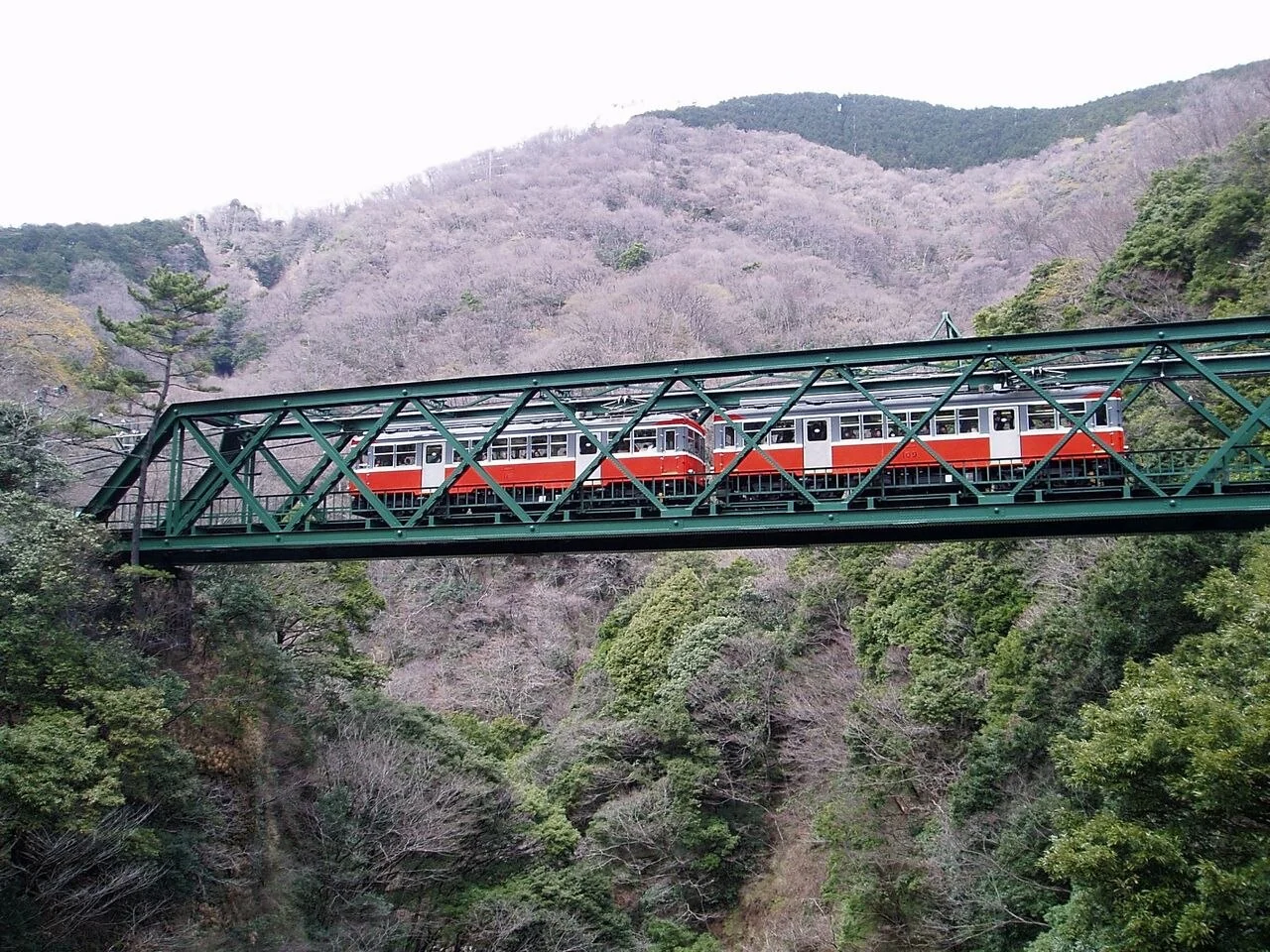
Within Hakone, heat and the pace of the seasons vary with location and elevation. Visitors move between trains, buses and mountain transport such as the ropeway, so the last service of the day, and an alternative route for days of fog, snow or timetable changes, shape the guest experience as much as the view.
Suggested trips are short and focused: one night in Gora with museums at the centre; two nights split between Lake Ashi and Yugawara, which are separate hot-spring areas reached across a mountain pass; or a day in Odawara for the castle, the merchant street and the port before heading up into Hakone.
THE LODGING MARKET
Japan Tourism Agency statistics for 2025 put Kanagawa Prefecture at 26,794,990 guest nights, with foreign guests making up 18.4%. Ryokan room occupancy was 49.0%, and August was the busiest month. These are prefecture-wide totals: they do not describe Hakone, Yugawara or Odawara alone, nor the income of any single property, which must be checked against its own monthly records.
| Guest nights, Kanagawa Prefecture | 26,794,990 2025 (Jan–Dec), confirmed · source |
|---|---|
| Share of guest nights by foreign guests, Kanagawa | 18.4% 2025 (Jan–Dec), confirmed · source |
| Ryokan room occupancy, Kanagawa | 49.0% 2025 (Jan–Dec), confirmed · source |
| Busiest month by guest nights, Kanagawa | August: 2,715,310 2025 (Jan–Dec), month-by-month comparison · source |
| Licensed ryokan and hotel facilities, Kanagawa | 1,308 As of 31 March 2025 (end of FY2024) · source |
BUYING & RUNNING AN INN HERE
In Hakone, the journey from station to guest room, with bus and mountain-transport transfers, slopes with luggage, last services and meal times, shapes every stay. Do not estimate revenue or occupancy from the number of nearby attractions. Hot-spring supply and rights, kitchen storage and deliveries, and cooking staff differ building by building and must be verified on site and in documents. What follows is a checklist, not legal advice.
Walk the route from station and bus stop to the door. Check slopes, drop-off points and the last bus or train against dinner times, and how guests are contacted and collected when fog, snow or timetable changes disrupt transport.
Museums have closing days, gardens and the wetland garden close in winter, and exhibitions change. Verify the property's own usage by season and day of the week and what its guests come for, instead of inferring it from nearby sights.
Even in a spa town, how the baths are supplied, the condition of the equipment, and the rights and conditions of use differ by building. Confirm them on site and in documents, including how rights pass to a new owner under the Hot Springs Act (温泉法).
A region rich in fish and seafood products does not by itself make a kitchen work. Check purchasing, storage, delivery access and the cooks needed to serve a menu every day.
An inn needs a licence under the Inns and Hotels Act (旅館業法), handled in Kanagawa through the prefecture's public-health offices, including on a change of operator. Confirm fire-safety and building-law compliance with the authorities and a licensed professional.
FAQ
This guide is a broad regional overview of six sub-areas of Hakone, Yugawara and Odawara; it does not show where any listing is located. Its photographs show landscape and culture, not properties for sale, and its market figures are prefecture-wide statistics for 2025. Legal and tax questions should always be checked with the relevant authorities and a licensed professional.
No. The photographs are reference images of landscape, culture and food with their locations stated. They imply no business relationship with the places shown and do not show the location of any property for sale.
No. They are the Japan Tourism Agency's confirmed 2025 figures for the whole of Kanagawa Prefecture. Municipal figures and a property's own results must be checked separately.
At a minimum, the licence under the Inns and Hotels Act and any hot-spring rights under the Hot Springs Act, plus fire-safety and building-law compliance. Requirements depend on the property, so check with the authorities and a licensed professional.
Yes. Owners can start from their current operations, equipment issues and hopes for the next operator, using a private draft or a consultation with TSUNAGU staff. Procedures and availability are shown on the main TSUNAGU site.
Reviewed by Masayuki Tsutsumi, Representative Director, Japan Realtor Co., Ltd. · Updated 2026-10-29 · Masayuki Tsutsumi
NEXT STEP
Membership is currently limited. Register your interest or speak with our advisory team; a first enquiry needs only an email address.

