01
Kutchan & Hirafu
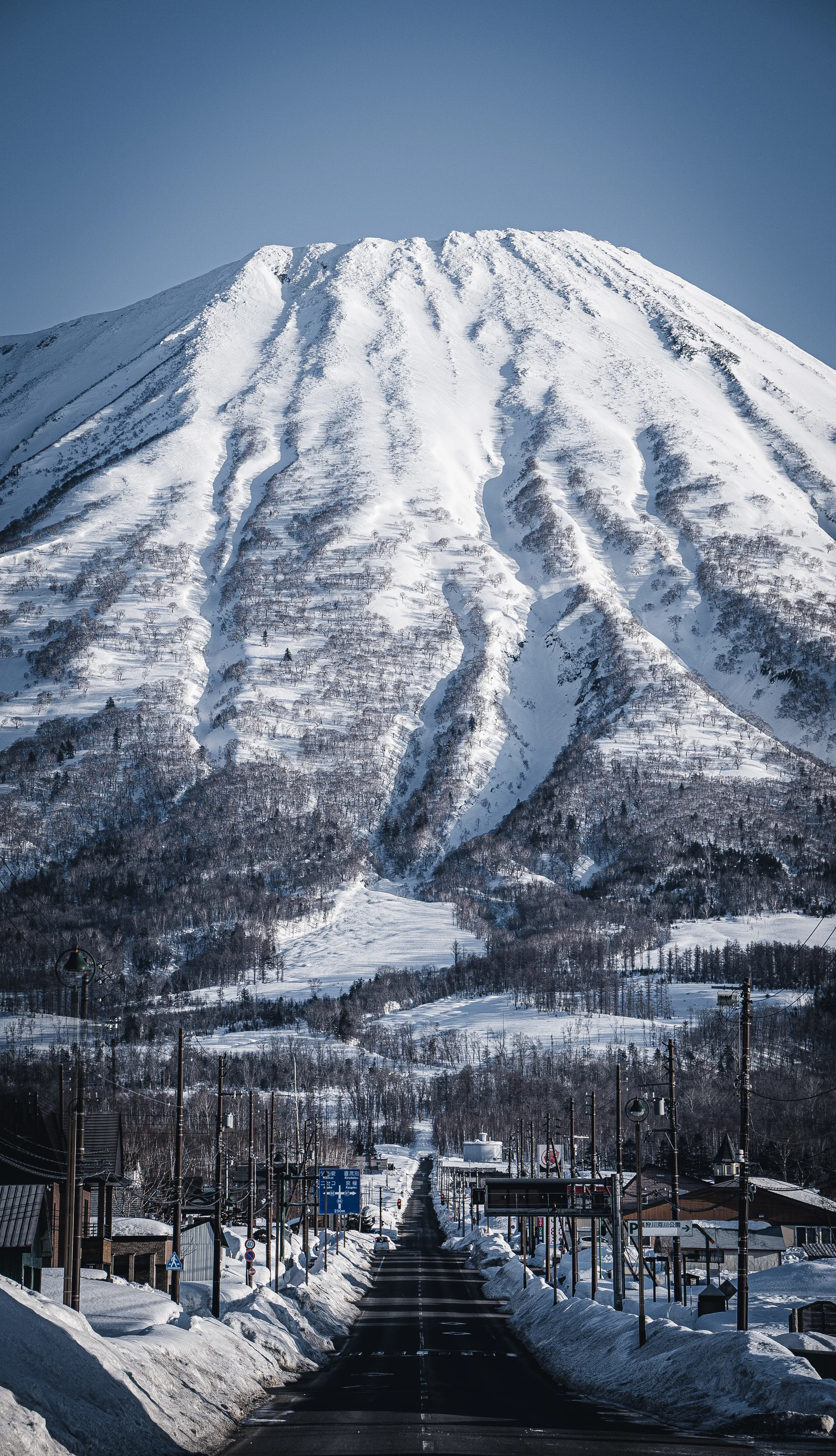
Lodgings and restaurants gather at the foot of Hirafu, one of four ski areas — with HANAZONO, Niseko Village and Annupuri — sharing a common lift pass.
REGIONAL GUIDE — JAPAN
Hokkaido · Shiribeshi and southern Hokkaido
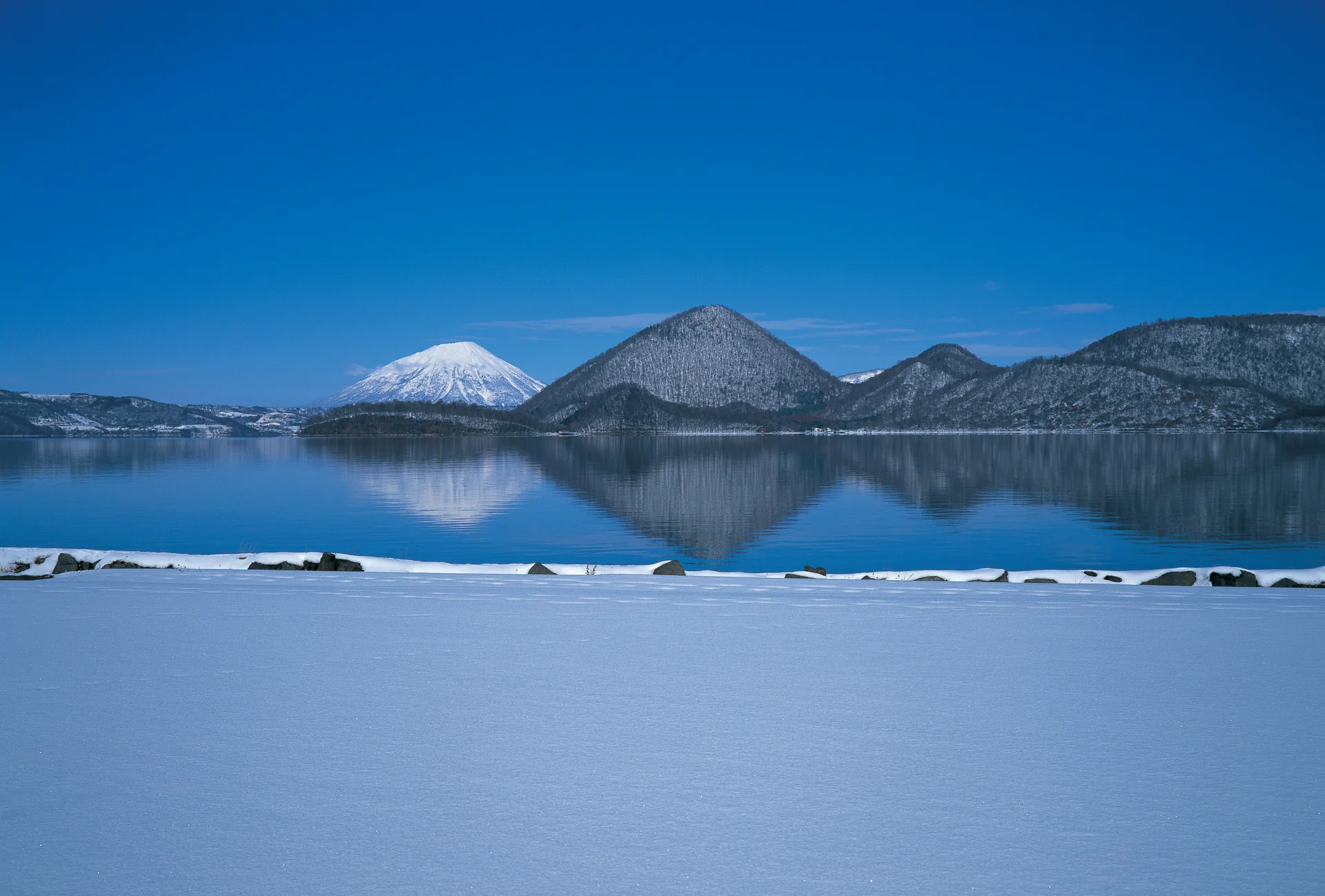
Around Mt Yotei lie farms, rivers, hot springs and literary memories; on the coast, Yoichi's distillery and the cliffs of Shakotan. Further south, steam rises at Noboribetsu, Lake Toya mirrors the forest, and church bells ring above Hakodate's port.
OVERVIEW
This guide covers two parts of Hokkaido: Niseko, Rusutsu and the Shiribeshi region around Mt Yotei, with Yoichi and Shakotan on the coast; and the southern route through Noboribetsu, Shiraoi, Lake Toya, Onuma and Hakodate. Investors look here because the reasons to stay span the year — skiing and hot springs in winter, golf, rafting and lakes in summer, and the history of a port city. Hokkaido recorded 46,503,620 guest nights in 2025, 28.6% of them by foreign guests; these are Hokkaido-wide figures, not area or property results.
Photos show the region, not properties for sale.
THE AREA
Niseko is more than winter skiing. Kutchan and Niseko Town sit beside farming villages such as Makkari and the highland resort of Rusutsu, while Yoichi and Shakotan make a separate coastal day. To the south, Noboribetsu and Lake Toya are hot-spring towns shaped by volcanoes, Shiraoi is home to Upopoy and Ainu culture, and Hakodate is a historic port. Each deserves its own base rather than a single sweep.
Niseko means different things to different visitors: a morning on the slopes, Mt Yotei beyond the fields at noon, an evening soak. Where you stay shapes dinner and transport. Squeezing points that look close on a map into one day runs into winter roads and early sunsets.
Niseko's name comes from the Ainu language; Kariputo village split from Makkari in 1901 and became Niseko Town in 1964. In 1922 the writer Arishima Takeo declared his farm released free of charge to its tenants on the basis of shared ownership. The town's lifts trace back to a 1962 rope tow on Mt Moiwa, and in 1934 Taketsuru Masataka founded Nikka's first distillery at Yoichi.
In the south, Lake Toya's hot springs trace back to activity that accompanied the 1910 eruption of Mt Usu, and Mimatsu Masao recorded the growth of Showa Shinzan through 1944 and 1945. Hakodate opened as a treaty port in 1855 and to foreign trade in 1859; Goryokaku, a Western-style fort, was completed in 1864. At Shiraoi, Upopoy presents Ainu history and culture as a living tradition.
This is a regional guide. The photographs show the area's landscapes; they are not properties for sale and do not indicate the location of any listing.
PLACES TO KNOW
The two source guides name twelve districts, grouped here into eight: Kutchan and Hirafu for snow and town life; Niseko Town and Annupuri for hot springs and literature; Makkari and Rusutsu for farmland and highland play; Yoichi and Shakotan for distilling and the Sea of Japan; Noboribetsu and Shiraoi; Lake Toya and Mt Usu; Onuma and Nanae; and Hakodate with Yunokawa. Access and seasons differ in each.
Lodgings and restaurants gather at the foot of Hirafu, one of four ski areas — with HANAZONO, Niseko Village and Annupuri — sharing a common lift pass.
Scattered hot springs, the Arishima Memorial Museum and the Niseko View Plaza roadside station, with farm produce and dairy, show the town's quieter side.
Makkari, south of Mt Yotei, grows potatoes and edible lily bulbs. Rusutsu offers winter snow and, in summer, Rusutsu Resort Golf 72 and rafting on the Shiribetsu River.
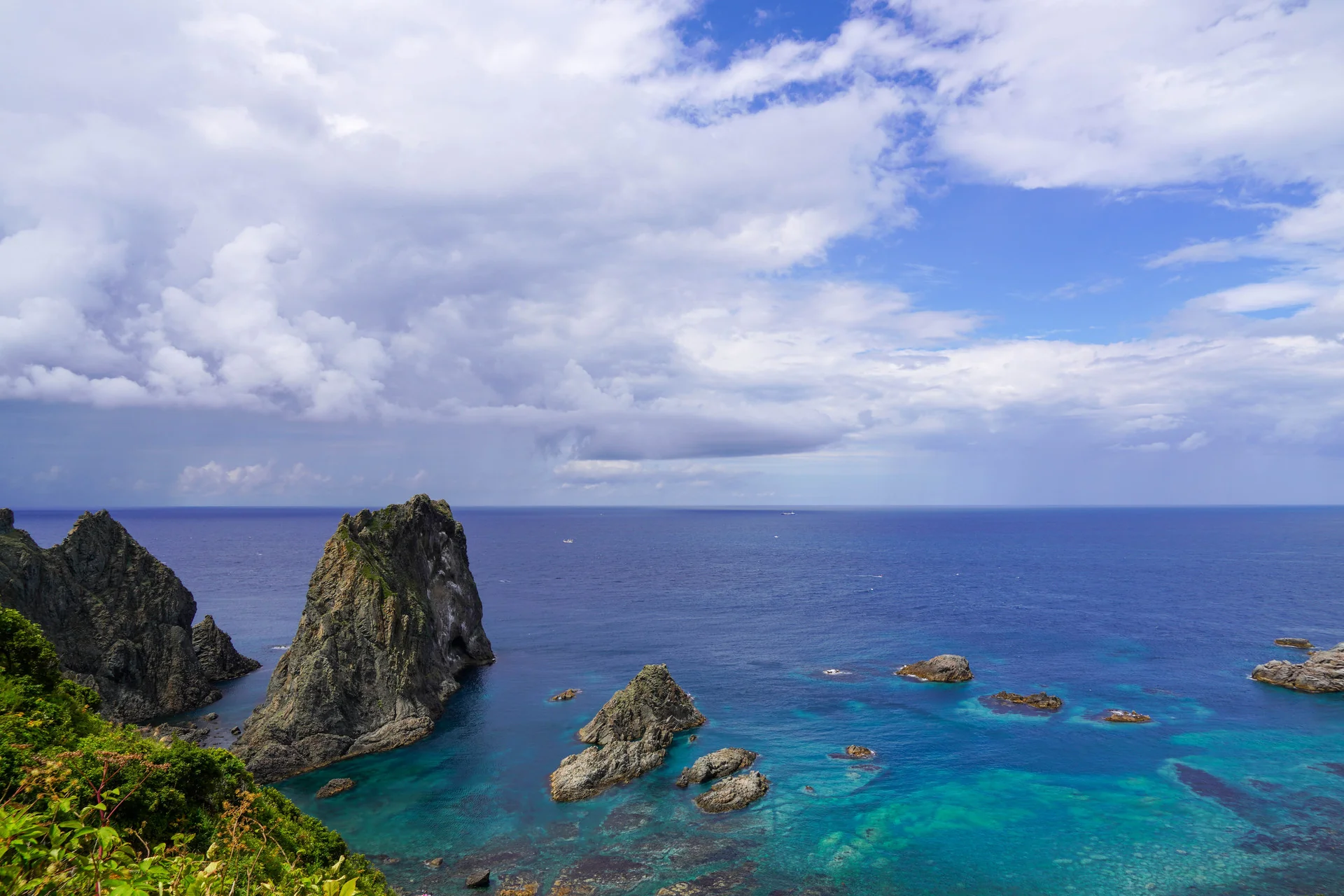
Yoichi has the Nikka distillery, a herring-fishing past, orchards and seafood. Shakotan's Shimamui coast and Cape Kamui face the Sea of Japan; the town has announced a partial closure at the cape tip from 5 October 2026 to early April 2027.
Noboribetsu's Jigokudani valley, Oyunuma pond and a natural forest footbath sit beside the onsen town. Shiraoi, to the east, has Upopoy and the National Ainu Museum by Lake Poroto.
A lakeside sculpture park, views of Nakajima island, and eruption records around Mt Usu and Showa Shinzan, told at the Mimatsu Masao Memorial Hall.
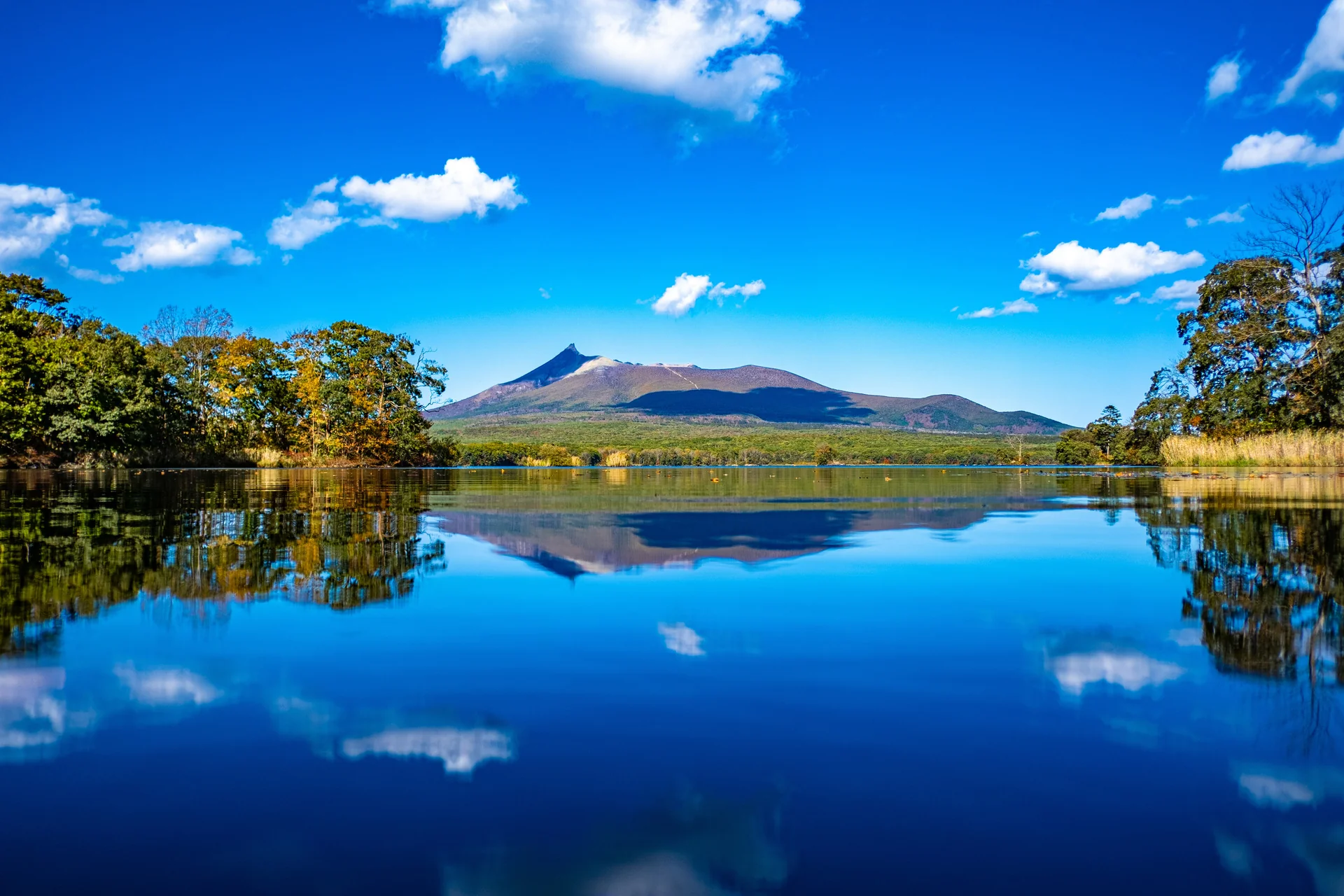
Bridges link small islands on Onuma, with Hokkaido Komagatake beyond. Nanae has a history of Western-style farming and fruit growing.
Motomachi's churches and slopes, star-shaped Goryokaku, sites of the merchant Takadaya Kahei and the view from Mt Hakodate. Yunokawa is a hot-spring town near the tram terminus.
SEASONS & TRAVEL
Winter means skiing, snowboarding and hot springs, with lift and road conditions checked daily. Spring brings cherry blossoms at Goryokaku and new green at Onuma; summer is for rafting, highland golf, lakes and Upopoy; autumn brings harvests, Yoichi's distilling heritage and Nanae's fruit. In 2025 Hokkaido's busiest month for guest nights was August, and its highest monthly room occupancy came in July.
Seasonal operating periods shape every plan. The Oyunuma car park at Noboribetsu closes in winter, Lake Toya's crater trail closes toward winter, Mt Hakodate's road has winter restrictions, and Cape Kamui's paths can change with strong wind or works. Experiences such as rafting each have their own conditions and dates.
The source's model stays are calm: two nights at the mountain foot; a coastal stay at Yoichi and Shakotan with no driving after tastings; two nights from Shiraoi to Noboribetsu and Lake Toya; and two from Onuma to Hakodate.
THE LODGING MARKET
Japan Tourism Agency figures for 2025 give a Hokkaido-wide picture: 46,503,620 guest nights, 28.6% of them by foreign guests, with resort-hotel room occupancy of 51.1% and ryokan occupancy of 43.9%. Hokkaido had 6,357 licensed lodging facilities as of March 2025. None of these figures describes Niseko, Noboribetsu or Hakodate alone, or the income of an individual property.
| Guest nights, Hokkaido | 46,503,620 2025 (Jan–Dec), confirmed · source |
|---|---|
| Share of guest nights by foreign guests, Hokkaido | 28.6% 2025 (Jan–Dec), confirmed · source |
| Resort hotel room occupancy, Hokkaido | 51.1% 2025 (Jan–Dec), confirmed · source |
| Ryokan room occupancy, Hokkaido | 43.9% 2025 (Jan–Dec), confirmed · source |
| Licensed lodging facilities (three categories), Hokkaido | 6,357 as of 31 March 2025 (end of FY2024) · source |
BUYING & RUNNING AN INN HERE
Check how close winter really is, on real routes: ski-slope distance on a map is not the same as ease of use in deep snow. In Noboribetsu and Lake Toya, factor volcano information, hot-spring supply and winter closures into the plan. Do not treat the mountains and the coast, or the lakes and Hakodate, as one daily shuttle zone. This is a checklist, not legal advice.
Inspect pick-ups, ski-gear storage, drying and snow clearing, plus boarding and evacuation routes on snowy days. Do not infer occupancy or revenue from snowfall; read the property's equipment and operating records.
Golf and river trips give reasons to stay outside winter, but the inn does not own them and they cannot always be booked. Check operating periods, age and equipment rules and bad-weather handling with each operator.
Organise volcano information, evacuation routes, guidance during closures and winter alternatives. Read hot-spring supply and equipment maintenance conditions property by property, and never describe crater areas as freely walkable at all times.
Separate base nights from long travel days, assign someone to keep road and trail information current, and plan non-driving transport after tastings at Yoichi.
Upopoy programmes, Shiraoi restaurants and Hakodate's food culture are run by local providers. Show guests who provides and who takes bookings, and agree origin and supply terms with food suppliers.
Inn operation falls under the Inns and Hotels Act (旅館業法) and hot-spring use under the Hot Spring Act (温泉法); succession of hot-spring rights and extraction and use permits needs checking, and Hokkaido has its own licence contacts. Confirm fire-safety and building rules, financing and operator contracts with the authorities and licensed professionals.
FAQ
In short: the guide covers the Niseko–Shiribeshi area and the Noboribetsu–Toya–Hakodate route; the photographs show the region and are not listings; the market figures are Hokkaido-wide official statistics, not results for any area or inn; the area offers reasons to stay beyond winter; and licensing, tax and legal questions belong with the authorities and a licensed professional.
In the north, Kutchan-Hirafu, Niseko Town-Annupuri, Makkari, Rusutsu, Yoichi and Shakotan; in the south, Noboribetsu, Shiraoi, Lake Toya-Mt Usu, Onuma-Nanae, Hakodate-Goryokaku and Yunokawa. It does not show where any listing is located.
No. They are credited reference images of landscapes, and imply no business relationship with the places shown or any property for sale.
No. They are Hokkaido-wide totals from the Japan Tourism Agency's confirmed 2025 statistics. Figures for a single area, a municipality or an individual property must be checked separately.
No. The source points to summer golf and rafting at Rusutsu, farm produce in Makkari and Niseko, hot springs and the Arishima Memorial Museum. But an inn does not own these activities, so check each operator's season and conditions.
Inn operation is licensed under the Inns and Hotels Act, and hot-spring use is governed by the Hot Spring Act, including permits for extraction and use. Requirements depend on the property, so check with the authorities and a licensed professional.
Reviewed by Masayuki Tsutsumi, Representative Director, Japan Realtor Co., Ltd. · Updated 2026-10-29 · Masayuki Tsutsumi
NEXT STEP
Membership is currently limited. Register your interest or speak with our advisory team; a first enquiry needs only an email address.